
Germination temperatures and germination times: all values for your sowing
Light or dark germinator, how warm, how long and how much light afterwards: my table for 39 plants from my book and more, plus my tips for reliable germination in foam cubes.
What a seed needs to germinate
Every seed needs four things. First Moisture: the seed takes up water, swells and only then becomes active. Keep the cube evenly moist but not wet, because seeds need air too. Then Heat, which gets germination going. Every plant has its own comfort temperature. For me lettuce germinates best at about 15 °C, tomatoes like it around 25 °C.
The third is light or darkness, depending on whether your plant is a light germinator or a dark germinator. And the fourth: no fertiliser yet. The seed has its own nutrient reserve, in many plants in the seed leaves. Fertiliser consists of salts, and too much salt makes it hard for the seed to take up water. That is why I germinate in plain water only. Only when the seed leaves are open does the seedling get a weak nutrient solution.
Light and dark germinators: how I do it
Light germinator such as lettuce, basil or rocket need light to germinate. I put the seed into the slit of the foam cube and only press it in lightly. Nothing is covered. The box stands open under the grow light, 14 to 16 hours a day.
Dark germinator such as tomato, pepper or parsley germinate better in the dark. You do not need to press them in. I put the seed into the slit in the same way and simply put the lid on the propagation box. It is dark underneath, and the moisture stays in. Check dark germinators every day. As soon as they have germinated, the lid comes off and they need light immediately, otherwise they grow long and thin.
My table: germination temperature, germination type and light
Here are the values from my book. The column Germinate at shows the temperature at which the seed germinates best. The column PPFD afterwards shows how much light the growing plant needs indoors under the lamp. At the start all seedlings need equally little; 100 to 150 PPFD is enough. The germination time is only given where I measured it myself. For all others, check the seed packet.
Leafy plants and herbs
| Plant | Germination type | Germinate at | Germination time | PPFD afterwards |
|---|---|---|---|---|
| Anise | Dark germinator | 18 to 22 °C | see packet | 200 to 300 |
| Basil | Light germinator | 20 to 25 °C | about 3 days | 200 to 300 |
| Cauliflower | Dark germinator | 18 to 22 °C | see packet | 250 to 400 |
| Broccoli | Dark germinator | 18 to 22 °C | see packet | 250 to 400 |
| Dill | Light germinator | 15 to 20 °C | about 6 days | 200 to 300 |
| Fennel | Dark germinator | 18 to 22 °C | see packet | 200 to 300 |
| Kohlrabi | Dark germinator | 20 to 25 °C | about 5 days | 200 to 300 |
| Coriander | Dark germinator | 15 to 20 °C | see packet | 200 to 300 |
| Leek | Dark germinator | 15 to 20 °C | see packet | 250 to 400 |
| Lovage | Light germinator | 15 to 20 °C | see packet | 200 to 300 |
| Chard | Dark germinator | 15 to 20 °C | see packet | 200 to 300 |
| Mint | Light germinator | 18 to 22 °C | about 7 days (peppermint) | 200 to 300 |
| Pak choi | Dark germinator | 20 to 25 °C | see packet | 175 to 225 |
| Parsley | Dark germinator | 15 to 20 °C | about 7 days | 200 to 300 |
| Radish | Dark germinator | 15 to 20 °C | see packet | 250 to 350 |
| Rhubarb | Dark germinator | 15 to 20 °C | see packet | 200 to 300 |
| Brussels sprouts | Dark germinator | 18 to 22 °C | see packet | 250 to 400 |
| Beetroot | Dark germinator | 15 to 20 °C | see packet | 250 to 350 |
| Rocket | Light germinator | 15 to 20 °C | see packet | 200 to 300 |
| Lettuce | Light germinator | 15 to 20 °C | about 3 days | 200 to 300 |
| Sage | Light germinator | 18 to 22 °C | see packet | 250 to 400 |
| Chives | Dark germinator | 15 to 20 °C | see packet | 200 to 300 |
| Celery | Light germinator | 18 to 22 °C | see packet | 200 to 300 |
| Spinach | Dark germinator | 15 to 20 °C | see packet | 200 to 300 |
| Thyme | Light germinator | 18 to 22 °C | see packet | 250 to 400 |
| Onion | Dark germinator | 15 to 20 °C | see packet | 250 to 400 |
Fruiting plants
| Plant | Germination type | Germinate at | Germination time | PPFD afterwards |
|---|---|---|---|---|
| Aubergine | Dark germinator | 24 to 30 °C | see packet | 350 to 500 |
| Beans | Dark germinator | 20 to 25 °C | see packet | 300 to 450 |
| Chilli | Dark germinator | 24 to 30 °C | see packet | 350 to 500 |
| Peas | Dark germinator | 10 to 20 °C | see packet | 250 to 400 |
| Strawberry | Light germinator | 18 to 22 °C | see packet | 300 to 350 |
| Cucumber | Dark germinator | 20 to 25 °C | see packet | 300 to 500 |
| Pumpkin | Dark germinator | 20 to 25 °C | see packet | 350 to 500 |
| Sweetcorn | Dark germinator | 20 to 25 °C | see packet | 400 to 600 |
| Melon | Dark germinator | 24 to 30 °C | see packet | 350 to 500 |
| Peppers | Dark germinator | 24 to 30 °C | see packet | 350 to 500 |
| Tomato | Dark germinator | 22 to 28 °C | 6 to 10 days | 350 to 500 |
| Watermelon | Dark germinator | 24 to 30 °C | see packet | 350 to 500 |
| Zucchini | Dark germinator | 20 to 25 °C | see packet | 350 to 500 |
Germination time: how long it takes for me
Patience is part of it. I measured these times in my own seed starting at about 21 to 23 °C:
| Plant | Germinated after |
|---|---|
| Lettuce, basil | about 3 days |
| Kohlrabi, borage | about 5 days |
| Lemon balm, dill, summer savory | about 6 days |
| Parsley, rosemary, peppermint | about 7 days |
| Tomato (warm on the radiator) | 6 to 10 days |
If it is cooler, it takes longer. Parsley, for example, needs 1 to 4 weeks depending on temperature, often 7 to 14 days at 20 to 22 °C. Some herbs take two to three weeks, and not every seed is equally quick. So do not give up too early. Only when the usual germination time is clearly over is a new attempt worthwhile.
How germination works
- Place the seed: The seed goes into the moist cube. Light germinators stay open, dark germinators go under the lid.
- The seed swells: It takes up water, gets bigger, and its nutrient reserves become active.
- The radicle appears: First a small root grows out, downwards into the cube. It anchors the seedling.
- The seed leaves are there: The first little leaves open. Now the seedling needs light and gets its first fertiliser.
The germination test: how good is your seed?
If your seeds germinate poorly, do a germination test. Put 10 seeds on damp kitchen paper, cover them and keep them warm. After a few days, count. If 8 out of 10 germinate, your seed has a germination rate of 80 percent. If fewer than half germinate, better put 2 seeds per cube or buy new seed.
How many seeds per cube?
That depends on what you want to harvest. Plants that later grow individually get one seed per cube: lettuce, pak choi, kohlrabi, tomato, pepper, chilli, cucumber and basil. With many herbs, on the other hand, I want a small bunch. Parsley, chives, dill, coriander and rocket therefore get 3 to 5 seeds per cube.
HydroFlex Tower for indoors and outdoors, seedling box, seedling station, support rings and my own nutrient. After you buy, I’ll help you on WhatsApp.
To the shop ›Using warmth correctly
Tomatoes, peppers and chillies only germinate well when it is really warm. Peppers and chillies need 24 to 30 °C, and hardly any room is that warm. The most precise way is with a heat mat with thermostat. I put the sensor in the water of the box, where it measures the temperature right at the cube.
The box can also go on the radiator. Two pens underneath provide 0.5 to 1 cm of distance, and a film over it keeps the moisture in. But if the heating turns down at night, the temperature fluctuates. The heat mat is better for that.

* Affiliate-Link: Bei einem Kauf erhalte ich eine Provision, dein Preis bleibt gleich. Preis inkl. MwSt., zzgl. Versand, Stand 8.11.2026. Bilder: Amazon Creators API
Keeping moisture in and airing correctly
The surface of the cubes dries out quickly. Mist the seeds from above every day, or put cling film or a zip bag over the box. Then the moisture stays in, nothing dries out, and you do not have to mist. Light comes through the film, which suits light germinators. For dark germinators use the light-tight lid.
As soon as the seeds have germinated, film and lid come off. For me lettuce germinates after about 3 days. If the film stays on longer, mould quickly forms in the humid air. By the way, white fuzz on the root is not mould; those are root hairs.
The fan stays off during germination, otherwise the cubes dry out. Later it makes the stems sturdier. Starting seedlings creates a lot of moisture in the air. If it stays high for long, plants quickly get powdery mildew. That is why every morning I open the window wide for about 15 minutes. After that the humidity drops from about 65 percent to below 60 percent. A hygrometer shows you the value.
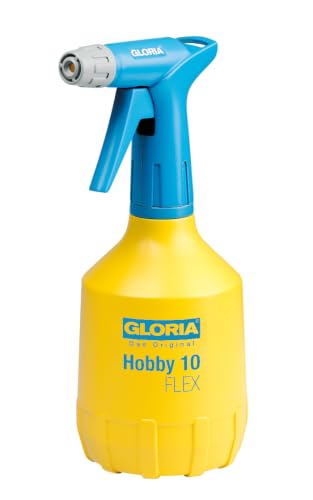

* Affiliate-Link: Bei einem Kauf erhalte ich eine Provision, dein Preis bleibt gleich. Preis inkl. MwSt., zzgl. Versand, Stand 8.11.2026. Bilder: Amazon Creators API

* Affiliate-Link: Bei einem Kauf erhalte ich eine Provision, dein Preis bleibt gleich. Preis inkl. MwSt., zzgl. Versand, Stand 8.11.2026. Bilder: Amazon Creators API
After germination: light and first fertiliser
Germinated means: into the light immediately. If seedlings get too little light, they stretch and grow long and thin. That is also why most plants like it a little cooler after germination than during germination, because the warmer it is and the less light they get, the longer the stems become. For seedlings, 100 to 150 PPFD is enough. With the box and station the lamp hangs above the plants, about 20 to 30 cm away. With a strong lamp 14 hours a day is enough; let a weaker one shine for 16 hours, but never longer.
Once the seed leaves are open, I add 0.5 ml of Frankie’s liquid nutrient to 1 litre of water. From 2 to 3 cm plant size I use 1 ml. These amounts only apply to my fertiliser. I then put the cubes individually into net pots in my Seedling station. Those that have not germinated yet can keep germinating in the box. You can read how it continues at EC value and pH value.
PPFD and DLI briefly explained
PPFD is the amount of light that reaches the plant. You measure it at leaf height with a light meter; phone apps only show approximate values. The amount of light over the whole day is called DLI. You calculate PPFD times hours times 0.0036. An example: 250 PPFD times 16 hours times 0.0036 gives about 14. Lettuce needs about 12 to 17, tomato, cucumber and pepper 20 to 30. You will find more about lamps on my page about lighting.

* Affiliate-Link: Bei einem Kauf erhalte ich eine Provision, dein Preis bleibt gleich. Preis inkl. MwSt., zzgl. Versand, Stand 8.11.2026. Bilder: Amazon Creators API

* Affiliate-Link: Bei einem Kauf erhalte ich eine Provision, dein Preis bleibt gleich. Preis inkl. MwSt., zzgl. Versand, Stand 8.11.2026. Bilder: Amazon Creators API
Why I do not germinate directly in the tower
My first attempt was exactly that: seed into the cube, cube into the tower. Many seeds did not germinate, and what came up got long, thin stems. In the tower the cube sits several centimetres deep in the net pot, in other words in a dark hole. Light germinators get too little light there, dark germinators still get some from above. On top of that, the tower needs a pump, light and electricity just for starting seedlings.
That is why today I germinate in the propagation box with lid and 25 cubes: the 25 cubes are joined as a mat and keep each other moist, a small lamp is enough, and the lid makes it suitable for dark germinators too. For many plants I use the Foam mat for 100 seeds. Rinse the mat in hot water before first use and then rinse it cold, so no manufacturing residues remain and the seeds do not go into a hot mat. Then add enough water for the mat to stand about one third deep in water.
More plants from my overview
These plants are not in my book. The values are guidelines from the specialist literature on germination type and temperature. For germination time and everything else, check the seed packet.
Herbs
| Plant | Germination type | Germinate at | Good to know |
|---|---|---|---|
| Chamomile | Light germinator | 18 to 21 °C | do not cover |
| Oregano | Light germinator | 18 to 21 °C | do not cover |
| Rosemary | Light germinator | 18 to 21 °C | often only germinates after a cold period, for me after about 7 days |
| Lavender | Light germinator | 21 to 29 °C | often only germinates after a cold period |
Vegetable
| Plant | Germination type | Germinate at | Good to know |
|---|---|---|---|
| Lamb’s lettuce | see packet | 15 to 18 °C | germinates poorly from 20 °C |
| Endive | see packet | 20 to 25 °C | – |
| Carrots | Dark germinator | 18 to 25 °C | – |
| Radish | Dark germinator | 18 to 25 °C | – |
| Kale | Dark germinator | 18 to 21 °C | – |
Flowers
| Plant | Germination type | Germinate at | Good to know |
|---|---|---|---|
| Snapdragon | Light germinator | around 21 °C | do not cover |
| Sunflower | Dark germinator | around 21 °C | – |
Sweet chilli peppers germinate like chilli, celeriac like celery; see the table above. French tarragon hardly sets seed in our climate. You grow it from cuttings or by dividing the root.
Frequently asked questions about germination temperature and germination time
What does a seed need to germinate?
Why do I not give fertiliser during germination?
What is a light germinator?
How do I handle a dark germinator in a foam cube?
Is parsley a light or a dark germinator?
Is basil a light or a dark germinator?
At what temperature does lettuce germinate best?
How warm do peppers and chillies need to germinate?
At what temperature do tomatoes germinate and how long does it take?
How long does lettuce take to germinate?
How long does it take for parsley?
Where do I find the germination time for my variety?
When is a new attempt worthwhile if nothing germinates?
How does a germination test work?
How many seeds go into one cube?
Is white fuzz on the root mould?
Can the fan run during germination?
How much light do seedlings need?
Why are my seedlings getting long and thin?
When and how much do I feed after germination?
What does PPFD in the table mean?
How do I calculate DLI?
Why do I not germinate directly in the tower?
At what temperature does lamb’s lettuce germinate?
Why do rosemary and lavender often germinate so slowly?
Do I need special seeds for hydroponics?
You will find more about growing individual plants under vegetable growing in the hydro tower and on my page about growing media.
Continue with your own growing
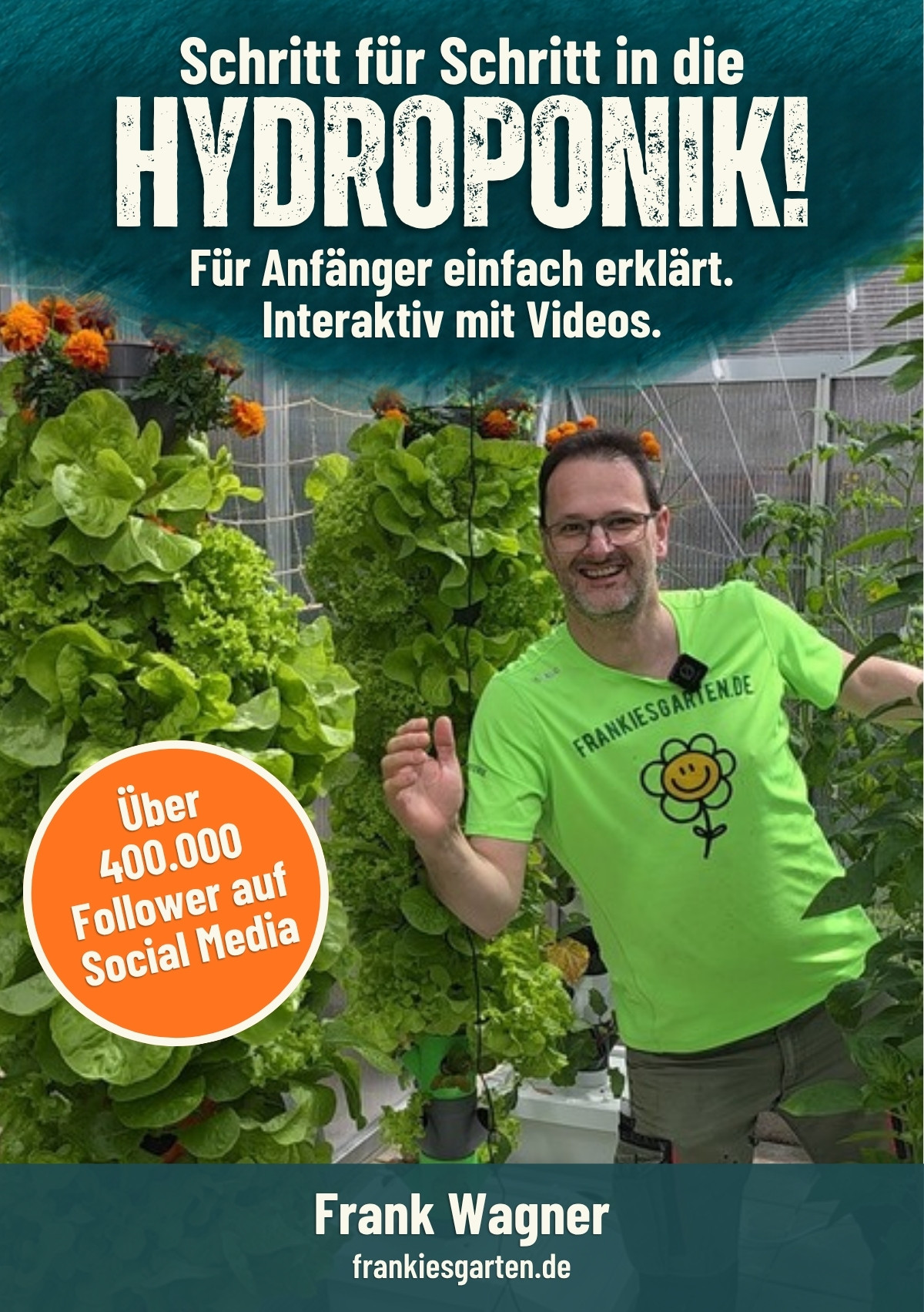
168 pages, simply explained for beginners and with videos on the topics (in German). Exactly how I grow myself: from sowing to harvest.
More about the book ›A few questions about space, location and what you want to harvest, and you get a recommendation.
To the tower advisor ›Questions about your setup? Message me on WhatsApp.
Tapping opens WhatsApp (provider: WhatsApp Ireland Ltd.). More in the privacy policy.