
Pests and diseases in hydroponics
Spider mites, thrips, aphids, powdery mildew, blossom end rot and root rot: how to recognise them, how I prevent them and what really helps for me. With beneficial insects, water and fresh air, plus an honest assessment of all the well-known home remedies.
Hygiene in hydroponics: keeping pests away
Pests and diseases are also in hydroponics a challenge, even though growing without soil reduces some problems. In closed systems, pests and diseases can spread quickly if they are not recognised and tackled in time. Insects such as aphids and spider mites and diseases such as root rot are especially common.
An important aspect of successful hydroponics is therefore regular monitoring and care of the plants, in order to spot infections early and take suitable countermeasures. Preventive measures such as cleaning the system and using beneficial insects such as predatory mites help avoid many problems.
No panic: most problems announce themselves
Without soil, many problems disappear. There are no slugs, no soil pests and no soil in which diseases persist for years. But even a tower is not completely free of pests. Spider mites, thrips, aphids and powdery mildew occur in hydroponics just as they do in a garden bed.
The good news: if you look early, you get them under control quickly. That is why in summer a quick look at the leaves is part of my daily routine, just like water level, water temperature, pump and air stone. I also turn over a few leaves, because most pests sit on the underside.
Why prevention is the key to success
Various pests and diseases can occur in hydroponic systems that affect the growth and health of the plants. It is important to recognise them in time and take suitable measures for prevention and control. Here are some of the most common pests and diseases and ways to control them:
Pests in hydroponics
A quick overview so you know who you are dealing with:
| What you see | Who it usually is |
|---|---|
| fine pale dots, later delicate webbing | Spider mites |
| silvery shiny patches with small black dots | Thrips |
| small green or black insects on shoot tips, sticky leaves | Aphids |
| small white flies that fly up when touched | Whiteflies |
| small round holes in cabbage leaves, beetles jump away | Flea beetles |
Cabbage white
🌿Beneficial insects and home remedies for control:
- ▸Stretch fine-mesh nets with a maximum mesh size of 0.8 mm over the plants
- ▸Collect eggs and caterpillars by hand twice a week
- ▸Use parasitic wasps (Trichogramma evanescens), quantity according to the pack, often 2 to 3 cards per square metre. They lay their eggs in the butterfly eggs, so use them early, as soon as the first butterflies are flying.
- ▸Nettle manure: ferment 1 kg of nettles in 10 L of water for 10 to 14 days, dilute 1:10. Fermented manure is mainly a fertiliser for plants in soil; its effect against caterpillars is not proven. Against aphids people tend to use a fresh cold-water extract that steeps for only 12 to 24 hours. Neither belongs in the tower water.
- ▸Garlic brew: boil 200 g of garlic in 1 L of water, dilute with 5 L of water. It acts more as a deterrent; the effect is only weakly proven.
🛡️How I do it
Cabbage whites and flea beetles love kohlrabi and all brassicas. Against cabbage whites I screw a ring 40 cm in diameter onto the lid of my tower and stretch a fine-mesh net with a zip over it. That keeps the butterfly away, and it does not lay eggs on the leaves.
Flea beetles are more stubborn. They are tiny beetles that eat small holes in the leaves. You recognise them by their jumping: tap the leaf and they hop away. They crawl through every gap, even under the finest net. It is worst when it is hot and dry. Chinese cabbage and mustard greens are hit particularly hard for me; kohlrabi gets through better. That is why I plant brassicas very early in spring or only from August. When it turns cool and rainy, they leave you in peace.
I show you more about the net against cabbage whites in my video Preventing cabbage whites.

* Affiliate-Link: Bei einem Kauf erhalte ich eine Provision, dein Preis bleibt gleich. Preis inkl. MwSt., zzgl. Versand, Stand 8.11.2026. Bilder: Amazon Creators API

* Affiliate-Link: Bei einem Kauf erhalte ich eine Provision, dein Preis bleibt gleich. Preis inkl. MwSt., zzgl. Versand, Stand 8.11.2026. Bilder: Amazon Creators API
* Affiliate links: I earn a commission if you buy, your price stays the same.
Whiteflies
🌿Beneficial insects and home remedies for control:
- ▸Hang yellow sticky traps near the plants and replace them regularly
- ▸Use parasitic wasps (Encarsia formosa or Eretmocerus) and predatory bugs (Macrolophus) as natural enemies. Ladybirds, on the other hand, mainly eat aphids.
- ▸Garlic brew: boil 200 g of garlic in 1 L of water, dilute with 5 L of water
- ▸Neem oil: mix 5 ml with 1 L of water and washing-up liquid, spray on the undersides of leaves. Dose ready-mixed neem oil according to the pack, and only spray in the morning.
🛡️How to recognise them
Whiteflies sit on the underside of young leaves and fly up in a little cloud when touched. They excrete sticky honeydew, on which a black sooty mould later grows. Yellow sticky traps just above the plants show you early whether they are there. In the greenhouse the parasitic wasp Encarsia formosa helps. It works best if you use it early, while there are still few whiteflies.
Fungus gnats
Fungus gnats are small black flies that buzz over moist substrate. In a tower with foam cubes they have hardly anything to live on. If you start seedlings in coco, coco can attract fungus gnats. Then lay a yellow sticky trap flat directly over the substrate.
| Sticky trap | mainly attracts | where to hang it |
|---|---|---|
| blue | Thrips | just above the plants |
| yellow | Whiteflies, fungus gnats, winged aphids | just above the plants, for fungus gnats flat over the substrate |
Sticky traps are mainly an early warning system. They show you who is there and whether numbers are rising. Together with a look under the leaves you then know exactly what to do.

* Affiliate-Link: Bei einem Kauf erhalte ich eine Provision, dein Preis bleibt gleich. Preis inkl. MwSt., zzgl. Versand, Stand 8.11.2026. Bilder: Amazon Creators API

* Affiliate-Link: Bei einem Kauf erhalte ich eine Provision, dein Preis bleibt gleich. Preis inkl. MwSt., zzgl. Versand, Stand 8.11.2026. Bilder: Amazon Creators API

* Affiliate-Link: Bei einem Kauf erhalte ich eine Provision, dein Preis bleibt gleich. Preis inkl. MwSt., zzgl. Versand, Stand 8.11.2026. Bilder: Amazon Creators API
* Affiliate links: I earn a commission if you buy, your price stays the same.
Spider mites
🌿Beneficial insects and home remedies for control:
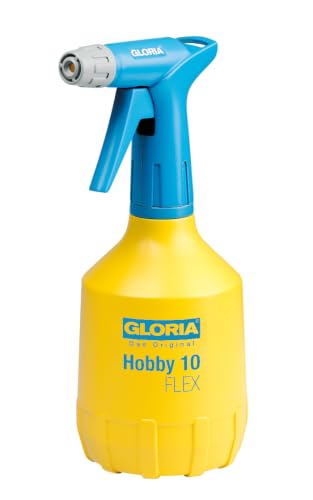
- ▸Increase humidity by spraying regularly or with bowls of water. Only spray in the morning so the leaves are dry by the evening.
- ▸Use predatory mites (Phytoseiulus persimilis) as natural enemies
- ▸Do not place plants too close: a moister microclimate does help against spider mites, but if the plants are too close the air stagnates and powdery mildew comes. Spraying in the morning is the better way.
- ▸Neem oil: mix 5 ml with 1 L of water and washing-up liquid, repeat every 7 to 10 days. Not together with predatory mites, otherwise you hit the beneficials too.
🛡️How to recognise spider mites
Spider mites are so tiny that you can hardly see them with the naked eye. You recognise them by fine pale dots on the leaves. These appear where the mites suck out the cells. Later the leaves turn yellowish and pale, and with a heavy infestation you see delicate webbing, often on the young shoots. The mites themselves and their eggs sit on the underside of the leaf, often along the leaf veins. A magnifying glass helps with the search.
My cucumbers: an honest account
Cucumbers are demanding. I was able to harvest a few, but there is still work to do before my cucumber growing is really successful. It is not the hydroponics; fertiliser and values are right. The problems are spider mites and powdery mildew, and every gardener has those, in soil too.
On top of that, cucumbers like it more humid than tomatoes. If both are in the same greenhouse, as with me, the air is often too dry for the cucumbers. And exactly this dry warmth is the favourite climate of spider mites. At 35 to 38 °C in summer they have an easy time.
What I do about it
- Spray in the morning: I spray tomatoes and cucumbers with water early in the morning. That raises humidity, and the leaves dry off again by the evening.
- Never spray in the evening: wet leaves overnight attract fungi.
- Use predatory mites: they eat spider mites and thrips, are harmless to plants and people and are simply sprinkled onto the leaves.
- Start early: release the predatory mites as soon as you see the first pests. They work best when there are few pests.
- No sprays with them: leave out sprays, as they would also kill the predatory mites.
- Cut off and dispose of heavily infested leaves.
- Against thrips, also hang up blue sticky traps.
I have had spider mites indoors too. I ordered predatory mites, and they ate them all up. That worked brilliantly.
| Beneficial | eats | good to know |
|---|---|---|
| Phytoseiulus persimilis | Spider mites | pure specialist: when there are no spider mites left, it disappears again |
| Neoseiulus californicus | Spider mites, also thrips | slower, but tolerates more heat and dryness |
| Amblyseius cucumeris and swirskii | young thrips larvae | best used preventively or very early |

* Affiliate-Link: Bei einem Kauf erhalte ich eine Provision, dein Preis bleibt gleich. Preis inkl. MwSt., zzgl. Versand, Stand 8.11.2026. Bilder: Amazon Creators API

* Affiliate-Link: Bei einem Kauf erhalte ich eine Provision, dein Preis bleibt gleich. Preis inkl. MwSt., zzgl. Versand, Stand 8.11.2026. Bilder: Amazon Creators API

* Affiliate-Link: Bei einem Kauf erhalte ich eine Provision, dein Preis bleibt gleich. Preis inkl. MwSt., zzgl. Versand, Stand 8.11.2026. Bilder: Amazon Creators API

* Affiliate-Link: Bei einem Kauf erhalte ich eine Provision, dein Preis bleibt gleich. Preis inkl. MwSt., zzgl. Versand, Stand 8.11.2026. Bilder: Amazon Creators API
* Affiliate links: I earn a commission if you buy, your price stays the same.
A few questions about space, location and what you want to harvest, and you get a recommendation.
To the tower advisor ›Aphids
🌿Beneficial insects and home remedies for control:
- ▸A strong jet of water to wash off the aphids
- ▸Use ladybirds and lacewings as natural enemies
- ▸Garlic brew: boil 200 g of garlic, dilute with 5 L of water
- ▸Neem oil: 5 ml with 1 L of water and washing-up liquid, repeat every 7 to 10 days. Dose according to the pack, only in the morning.
🛡️Outdoors, beneficial insects help
Outdoors you usually do not need to do anything against aphids. Ladybirds and their larvae, lacewing larvae and hoverfly larvae eat aphids in large numbers. You can easily recognise the hoverfly: it hovers in the air like a little helicopter. A strong jet of water also washes many aphids off the plant, and they rarely find their way back. This too is best done in the morning so the leaves dry quickly.
Indoors: check and dip
Indoors there are no beneficial insects. Here you keep aphids in check well with regular checks. I dip small plants once a week into a 30 litre bucket of water. That works as long as they are not too big.
- Pull the net pot with the plant out of the tower.
- Dip the plant upside down into the bucket.
- Shake it off well.
- Let it dry in the air, then put it back into the tower.
Dipping once is not enough. Keep at it and dip regularly. Good air afterwards is important so the leaves dry quickly. A small fan helps with this.
In a greenhouse or conservatory you can deliberately introduce ladybirds. The larvae are the most voracious aphid hunters.
I show you a recipe against aphids in my video Recipe for controlling aphids.

* Affiliate-Link: Bei einem Kauf erhalte ich eine Provision, dein Preis bleibt gleich. Preis inkl. MwSt., zzgl. Versand, Stand 8.11.2026. Bilder: Amazon Creators API

* Affiliate-Link: Bei einem Kauf erhalte ich eine Provision, dein Preis bleibt gleich. Preis inkl. MwSt., zzgl. Versand, Stand 8.11.2026. Bilder: Amazon Creators API

* Affiliate-Link: Bei einem Kauf erhalte ich eine Provision, dein Preis bleibt gleich. Preis inkl. MwSt., zzgl. Versand, Stand 8.11.2026. Bilder: Amazon Creators API
* Affiliate links: I earn a commission if you buy, your price stays the same.
Thrips
🌿Beneficial insects and home remedies for control:
- ▸Spray leaves regularly with water for higher humidity, ideally early in the morning
- ▸Use predatory bugs (Orius) or predatory mites (Amblyseius swirskii or cucumeris), quantity according to the pack. The 10 to 20 animals per m² mentioned here earlier only apply to predatory bugs; you need considerably more predatory mites.
- ▸Spray garlic brew on the undersides of leaves
- ▸Apply neem oil every 7 to 10 days, but not together with predatory mites
🛡️How to recognise thrips
Thrips are slender insects, about 1 to 2 mm long. They leave silvery shiny patches on the leaves, with small black dots in between. That is their droppings. They too usually sit on the underside of the leaves.
Against thrips, predatory mites and blue sticky traps help me. The soil predatory mite Hypoaspis miles, on the other hand, does not feed on the leaves. It lives in the substrate and catches fungus gnat larvae there and the pupae of thrips that pupate in the soil. In a tower with foam cubes you hardly need it; in coco or soil it can help.

* Affiliate-Link: Bei einem Kauf erhalte ich eine Provision, dein Preis bleibt gleich. Preis inkl. MwSt., zzgl. Versand, Stand 8.11.2026. Bilder: Amazon Creators API

* Affiliate-Link: Bei einem Kauf erhalte ich eine Provision, dein Preis bleibt gleich. Preis inkl. MwSt., zzgl. Versand, Stand 8.11.2026. Bilder: Amazon Creators API

* Affiliate-Link: Bei einem Kauf erhalte ich eine Provision, dein Preis bleibt gleich. Preis inkl. MwSt., zzgl. Versand, Stand 8.11.2026. Bilder: Amazon Creators API
* Affiliate-Link: Bei einem Kauf erhalte ich eine Provision, dein Preis bleibt gleich. Preis inkl. MwSt., zzgl. Versand, Stand 8.11.2026. Bilder: Amazon Creators API
* Affiliate-Link: Bei einem Kauf erhalte ich eine Provision, dein Preis bleibt gleich. Preis inkl. MwSt., zzgl. Versand, Stand 8.11.2026. Bilder: Amazon Creators API
* Affiliate links: I earn a commission if you buy, your price stays the same.
📖Which pests turn up in the tower and what I do about them, I explain in my book in the chapter “Schädlinge im Tower” (Pests in the tower). Just check the table of contents.›Diseases in hydroponics
Root rot (Pythium)
⚠️Symptoms
Yellow, wilting leaves and brown, slimy roots. Foul smell. Plants lose vitality.
✅Prevention:
- •Air stone for continuous aeration of the nutrient solution
- •Use clean water: tap water is fine; with very hard water use soft or reverse osmosis water. Distilled water is not necessary.
- •Disinfect all components after every harvest
- •Keep water temperature between 18 and 22 °C
🛠️Control:
- •Remove and dispose of affected plants immediately if heavily infested
- •Disinfect the system with 3% hydrogen peroxide solution, without plants, dose according to the pack
- •Let it circulate for 30 minutes, then rinse thoroughly
- •You do not need special fungicides for the nutrient solution in hobby growing; practically nothing is approved for that anyway. Air stone, cleaning and fresh nutrient solution help.
Healthy roots are white or pale and strong. Rotten roots are brown, soft, slimy and smell musty. The plant then often wilts even though there is enough water. A common cause is a water mould called Pythium. It mainly attacks roots that are already weakened by lack of oxygen or too much fertiliser.
The cause is usually water above 24 °C, light or dirt in the container, or too much fertiliser. Warm water holds less oxygen, and at the same time roots need more of it when it is warm. With an air stone I hardly had any problems even at 38 to 39 °C in my greenhouse.
How I go about it
- Cut off brown roots. Lots of white roots are a good sign; never cut those off.
- Clean the container.
- Mix fresh nutrient solution: first EC, then pH.
- Let the air stone run continuously; it does not go on the timer.
- Provide plenty of air movement around the plants and put the tank in the shade.
- Remove heavily infested plants completely so the pathogen does not spread in the water.
| Water temperature | What happens |
|---|---|
| below 18 °C | The roots work more slowly, the plant grows slowly. |
| 18 to 22 °C | ideal; up to 24 °C is still fine |
| from 25 °C | less oxygen, more stress for the roots, root rot becomes more likely |

* Affiliate-Link: Bei einem Kauf erhalte ich eine Provision, dein Preis bleibt gleich. Preis inkl. MwSt., zzgl. Versand, Stand 8.11.2026. Bilder: Amazon Creators API

* Affiliate-Link: Bei einem Kauf erhalte ich eine Provision, dein Preis bleibt gleich. Preis inkl. MwSt., zzgl. Versand, Stand 8.11.2026. Bilder: Amazon Creators API

* Affiliate-Link: Bei einem Kauf erhalte ich eine Provision, dein Preis bleibt gleich. Preis inkl. MwSt., zzgl. Versand, Stand 8.11.2026. Bilder: Amazon Creators API

* Affiliate-Link: Bei einem Kauf erhalte ich eine Provision, dein Preis bleibt gleich. Preis inkl. MwSt., zzgl. Versand, Stand 8.11.2026. Bilder: Amazon Creators API

* Affiliate-Link: Bei einem Kauf erhalte ich eine Provision, dein Preis bleibt gleich. Preis inkl. MwSt., zzgl. Versand, Stand 7.11.2026. Bilder: Amazon Creators API

* Affiliate-Link: Bei einem Kauf erhalte ich eine Provision, dein Preis bleibt gleich. Preis inkl. MwSt., zzgl. Versand, Stand 8.11.2026. Bilder: Amazon Creators API

* Affiliate-Link: Bei einem Kauf erhalte ich eine Provision, dein Preis bleibt gleich. Preis inkl. MwSt., zzgl. Versand, Stand 8.11.2026. Bilder: Amazon Creators API
* Affiliate links: I earn a commission if you buy, your price stays the same.
More on this on my pages about Algae in hydroponics, the EC value and the pH value.
Fusarium wilt
⚠️Symptoms
Wilting leaves and brown streaks along the stems. Blocks the plant’s water-conducting vessels.
✅Prevention:
- •Choose resistant plants
- •Strict hygiene, sterilise the system after every harvest
- •Temperature and humidity control
- •Use a dehumidifier if needed
🛠️Control:
- •Remove and dispose of infected plants immediately
- •Sterilise the system thoroughly with 3% hydrogen peroxide solution
- •Let it circulate for 30 minutes
- •No spray works reliably against Fusarium inside the plant, because the fungus sits in the vascular system. Use a fungicide only if it is approved for your plant, according to the pack and never in the nutrient solution.
Fusarium fungi spread through the water and like it warm. In the tower the same things help as against root rot: cool water, an air stone and a clean, light-tight container. You cannot cure an infected plant. Take it out before the fungus reaches the others through the water, and clean the tower thoroughly at the end of the season.

* Affiliate-Link: Bei einem Kauf erhalte ich eine Provision, dein Preis bleibt gleich. Preis inkl. MwSt., zzgl. Versand, Stand 8.11.2026. Bilder: Amazon Creators API
* Affiliate links: I earn a commission if you buy, your price stays the same.
Mildew
⚠️Symptoms
White, powdery patches on leaves and stems. Impairs photosynthesis.
✅Prevention:
- •Ensure good air circulation with fans
- •Control humidity
- •Keep enough spacing between plants
- •Use a dehumidifier in closed rooms
🛠️Control:
- •Remove infested leaves immediately
- •Use sulphur or copper fungicides. Sulphur helps against powdery mildew, but not above about 28 °C and not together with predatory mites. Copper works more against downy mildew and accumulates. Only approved products according to the pack.
- •Baking powder solution as a home remedy: 1 tbsp baking powder + 1 tsp washing-up liquid + 1 tbsp vegetable oil in 4 L of water. It only works preventively and rather weakly. Test it on a few leaves first and never add it to the nutrient solution.
Powdery mildew is a white, floury coating on the leaves, often on both sides. It does not need wet leaves; humid, stagnant air is enough. Downy mildew, on the other hand, tends to come with wet leaves. It shows as yellow, angular patches between the leaf veins and a grey coating on the underside.
With my peas the powdery mildew was faster than me, and my cucumbers get it every year. That is why I act immediately: infested leaves off, heavily infested plants out completely, plus plenty of air movement. There are products against it, but they did not help me. Do you know more? Write to me, and your tip will go into the next edition of my book.
How I prevent it
- Every morning I open the window wide for about 15 minutes. After that the humidity drops from about 65 % to below 60 %.
- A small fan drives the humid air out from between the leaves and makes the stems stronger. During germination it stays off, otherwise the cubes dry out.
- Make room: if the plants are too close, the air stagnates. Pull the pots apart or spread them over a second station.
- After germination, remove film and lid, otherwise mould forms in the humid air.
- Consistently remove side shoots from tomatoes and remove the lower leaves. A dense bush means little light, little air and more fungi.
- Outdoors, put a roof over tomatoes: if the leaves stay wet for a long time, late blight and grey mould come.
A hygrometer shows you the humidity, a small clip fan provides movement.

* Affiliate-Link: Bei einem Kauf erhalte ich eine Provision, dein Preis bleibt gleich. Preis inkl. MwSt., zzgl. Versand, Stand 8.11.2026. Bilder: Amazon Creators API

* Affiliate-Link: Bei einem Kauf erhalte ich eine Provision, dein Preis bleibt gleich. Preis inkl. MwSt., zzgl. Versand, Stand 8.11.2026. Bilder: Amazon Creators API

* Affiliate-Link: Bei einem Kauf erhalte ich eine Provision, dein Preis bleibt gleich. Preis inkl. MwSt., zzgl. Versand, Stand 8.11.2026. Bilder: Amazon Creators API

* Affiliate-Link: Bei einem Kauf erhalte ich eine Provision, dein Preis bleibt gleich. Preis inkl. MwSt., zzgl. Versand, Stand 8.11.2026. Bilder: Amazon Creators API
* Affiliate links: I earn a commission if you buy, your price stays the same.
A difference many people confuse: white fuzz on the roots of seedlings is not mould. Those are root hairs.
📖You will find powdery mildew, blossom end rot and root rot in my book in the chapter “Probleme lösen” (Solving problems) under “Fäule und Mehltau” (Rot and mildew). Just check the table of contents.›Bacterial leaf spot
⚠️Symptoms
Dark, water-soaked spots on leaves. They can grow and merge.
✅Prevention:
- •Use clean, filtered water
- •Disinfect tools regularly
- •Choose resistant varieties
- •Good ventilation and humidity control
🛠️Control:
- •Remove infected leaves immediately
- •Use copper-based sprays. They only work preventively on healthy leaves and do not cure affected areas. Only approved products according to the pack.
- •Clean and disinfect the system thoroughly
- •3% hydrogen peroxide solution for disinfection
Bacteria enter the leaf through small wounds and open stomata and are carried on by splashing water. So my rule helps here too: only spray in the morning so the leaves are dry at night, and cut off infected leaves with clean scissors.
* Affiliate-Link: Bei einem Kauf erhalte ich eine Provision, dein Preis bleibt gleich. Preis inkl. MwSt., zzgl. Versand, Stand 8.11.2026. Bilder: Amazon Creators API
* Affiliate-Link: Bei einem Kauf erhalte ich eine Provision, dein Preis bleibt gleich. Preis inkl. MwSt., zzgl. Versand, Stand 8.11.2026. Bilder: Amazon Creators API
* Affiliate links: I earn a commission if you buy, your price stays the same.
Cucumber mosaic virus
⚠️Symptoms
Yellow spots and mosaic-like patterns on leaves. Stunted leaves, deformed fruits.
✅Prevention:
- •Use virus-free seeds and cuttings
- •Control aphids as the main carriers
- •Good hygiene in the growing area
- •Disinfect tools and hands after touching plants
🛠️Control:
- •Remove and destroy infected plants immediately
- •Fight aphids consistently
- •Step up preventive measures
- •Regular monitoring for aphids
Aphids are not just a nuisance. They can transmit viruses while sucking, for example cucumber mosaic virus. It shows as yellow-green mottled, mosaic-like and stunted leaves. You cannot cure an infected plant. Take it out so the virus does not spread, and keep aphids down from the start.

* Affiliate-Link: Bei einem Kauf erhalte ich eine Provision, dein Preis bleibt gleich. Preis inkl. MwSt., zzgl. Versand, Stand 8.11.2026. Bilder: Amazon Creators API

* Affiliate-Link: Bei einem Kauf erhalte ich eine Provision, dein Preis bleibt gleich. Preis inkl. MwSt., zzgl. Versand, Stand 8.11.2026. Bilder: Amazon Creators API
* Affiliate links: I earn a commission if you buy, your price stays the same.
Blossom end rot
The fruit gets a brown, leathery spot at the bottom, on the blossom end, which later sinks in and turns dark. This mainly affects tomatoes, less often peppers. Blossom end rot is not a disease; the fruit lacks calcium.
Calcium only travels into the plant with the flow of water. In soil the supply stalls as soon as it dries out, and the fruit lacks calcium even though there is enough in the soil. In the tower, however, the roots hang evenly in the water. With my fertiliser recommendation there is enough calcium in the nutrient solution, and it arrives evenly. Always water and enough calcium: I have never had blossom end rot.
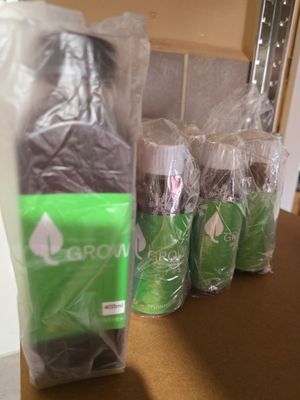
Seedling and leaf nutrient from one bottle, with calcium and magnesium, made for soft water. For all plants from sowing to the growth phase, leafy plants until harvest.
View in the shop ›General prevention in hydroponics
Successfully caring for a hydroponic system requires a combination of preventive measures to avoid diseases and pest infestations and to ensure optimal growing conditions for your plants. Here are the most important prevention strategies:
System hygiene
Quarantine
Monitoring
Air circulation
Nutrient balance
Pest control with beneficial insects
Physical barriers
Prevention is easier than cure
Almost everything on this page comes down to a few simple rules. Stick to them, and most problems never arise.
| Rule | Why |
|---|---|
| take a quick look under the leaves every day | spot pests early while there are few |
| only spray in the morning | higher humidity against spider mites, dry leaves at night against fungi |
| predatory mites instead of sprays | sprays kill the beneficials too |
| humidity below 60 %, air in the morning, fan | powdery mildew has no chance |
| air stone running continuously, water 18 to 22 °C | healthy white roots without rot |
| light-tight, clean container | no algae, no dirt for pathogens |
| no plants from outdoors into the house | no aphids brought in |
| brassicas under the net | no cabbage whites |
At the end of the season I clean the whole tower thoroughly. That way you do not carry deposits and pathogens into the next year. How to do it is on the page about Algae and in the guide to the hydro tower.
Conclusion
By consistently applying these preventive measures, many problems can be prevented or tackled effectively. Prevention is the key to a successful hydroponic garden!
My YouTube videos
Take a look at my practical guides to pest and disease control in hydroponics:
You will find more videos on my YouTube channel @frankiesgarten.
Continue with your own growing

168 pages, simply explained for beginners and with videos on the topics (in German). Exactly how I grow myself: from sowing to harvest.
More about the book ›HydroFlex Tower for indoors and outdoors, seedling box, seedling station, support rings and my own nutrient. After you buy, I’ll help you on WhatsApp.
To the shop ›Questions about your setup? Message me on WhatsApp.
Tapping opens WhatsApp (provider: WhatsApp Ireland Ltd.). More in the privacy policy.
Frequently asked questions about pests and diseases in hydroponics
How do I recognise spider mites?
How do I recognise thrips?
What climate do spider mites and thrips like?
When should I spray plants with water?
What helps against spider mites?
When do I use predatory mites?
Can I use sprays together with predatory mites?
Does neem oil help against pests?
Do home remedies such as garlic brew or nettle manure work?
Which sticky traps help against thrips?
What are yellow sticky traps good for?
What helps against whiteflies?
What do I do against aphids outdoors?
How do I get rid of aphids indoors?
How do I recognise the hoverfly?
Why should I not bring plants from outdoors into the house?
Which virus do aphids transmit, for example?
How do I protect kohlrabi from the cabbage white?
How do I recognise flea beetles?
When is the best time to plant brassicas because of flea beetles?
How do I recognise powdery mildew?
What do I do about powdery mildew?
Does baking powder help against powdery mildew?
How high should humidity be so powdery mildew has no chance?
When do I switch on the fan?
Is white fuzz on seedling roots mould?
What is blossom end rot?
Why do tomatoes in the tower hardly get blossom end rot?
How do I recognise root rot?
What are the most common causes of root rot?
What do I do about root rot?
What water temperature is ideal against root rot?
How do I clean the system with hydrogen peroxide?
What is Fusarium wilt?
How do I recognise bacterial leaf spot?
You will find more basics on nutrients, on lighting and in the overview of the Vegetable growing.