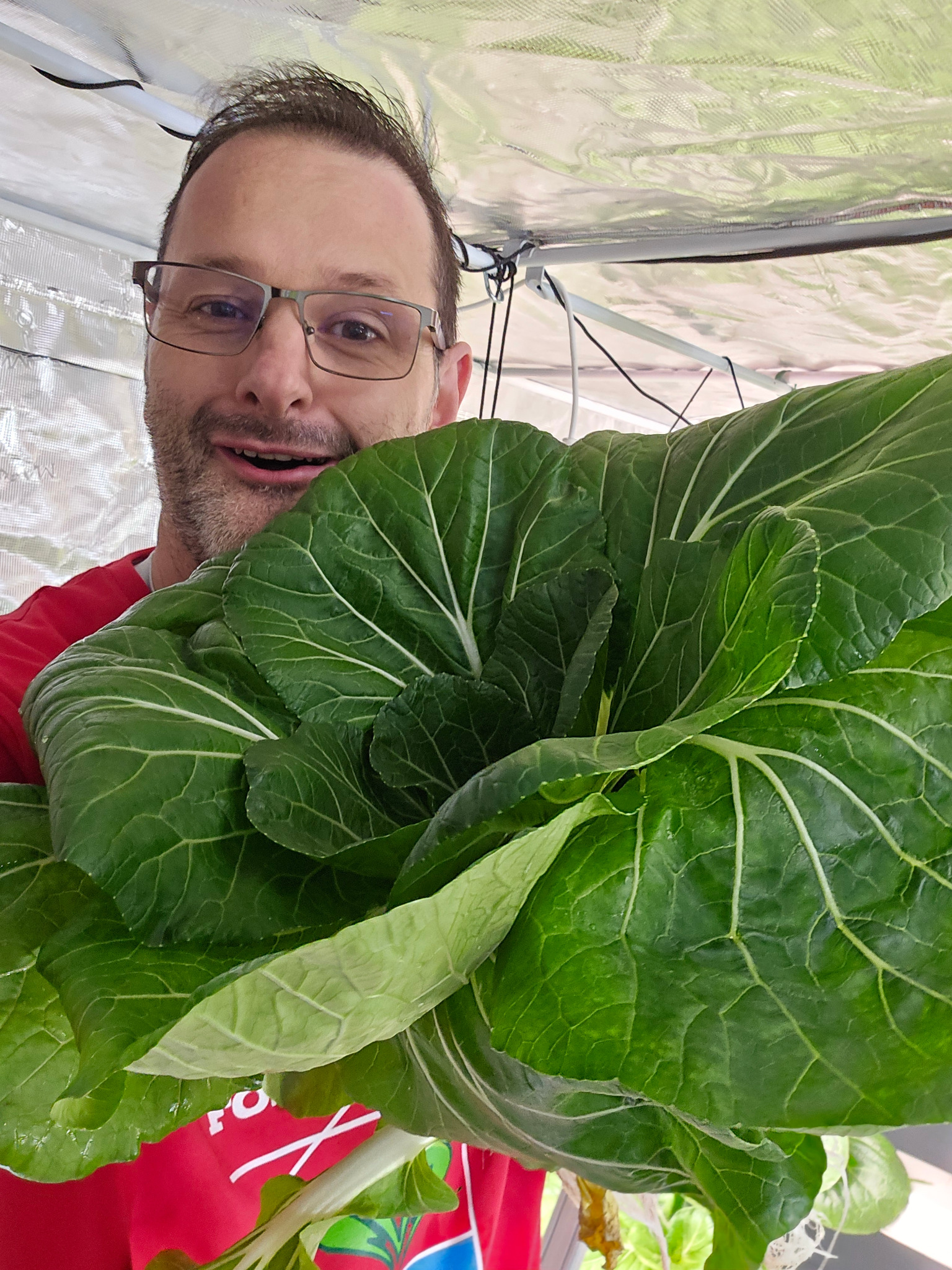
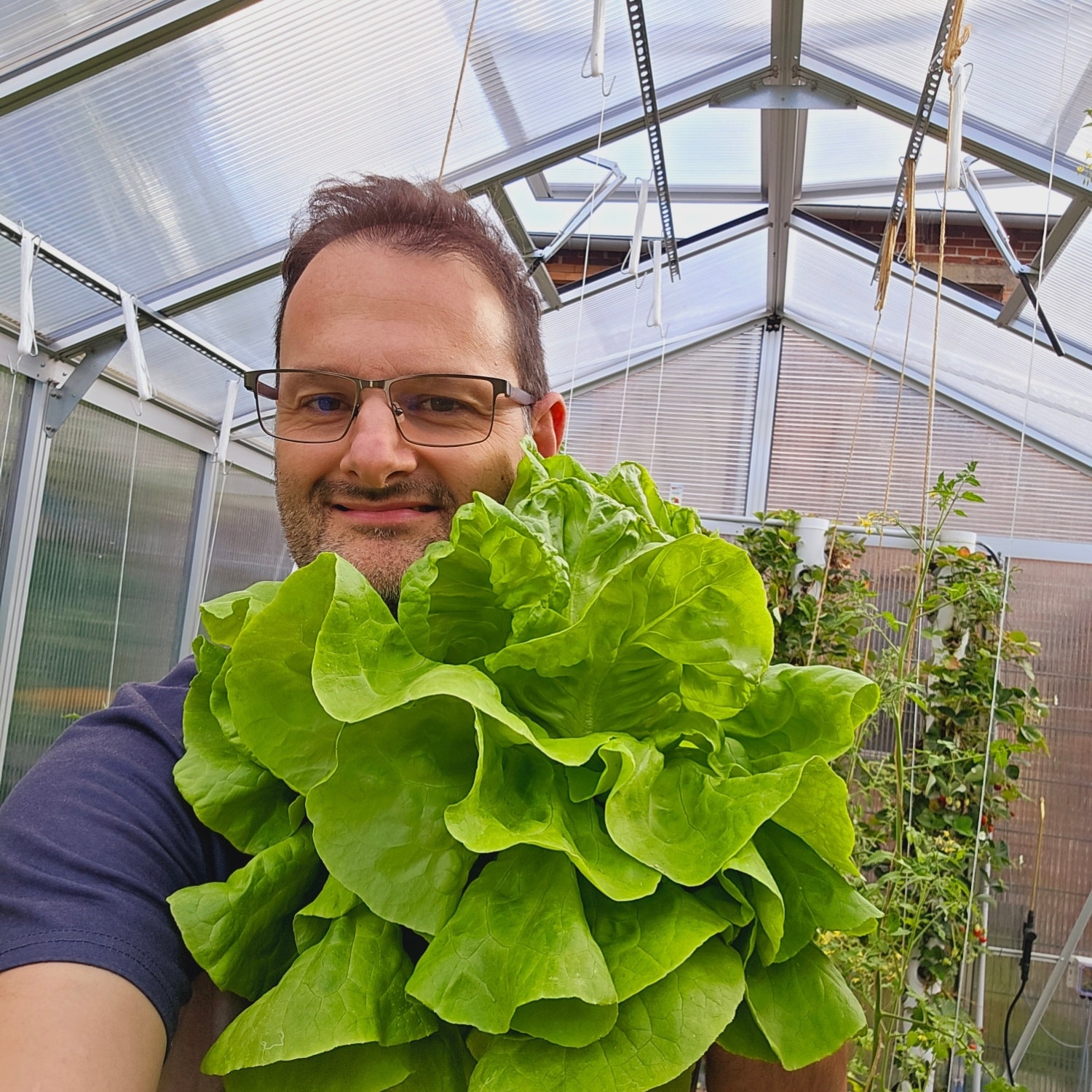
Frank Wagner holding freshly harvested lettuce from the hydro tower
All guides

Hydroponics guides: step by step to growing without soil

Here you will find all my guides on vegetables and herbs without soil: from building your tower to pH, EC, light and fertiliser all the way to harvest. Plus my roadmap and the most important values from my book.

🎯
pH 5.8
my target value for almost all plants
⚡
EC in 4 stages
from seedling to harvest
⏱️
5 on, 30 off
my pump time indoors
💡
14 to 16 hrs
light during the day, then night

Whether you are just starting or already have experience: my guides help you at every step, from setting up your system to harvest. Everything here is exactly how I do it in my own towers. Pick the topic that suits your project. Further down you will find my roadmap for getting started and the most important values at a glance.

Building guides: your own hydro tower

Want to build it yourself? Here I show you how your plant tower comes together and how it hangs securely on the wall. Prefer to buy it ready-made? Then take a look in my shop, where you will find the HydroFlex Tower for indoors and outdoors.

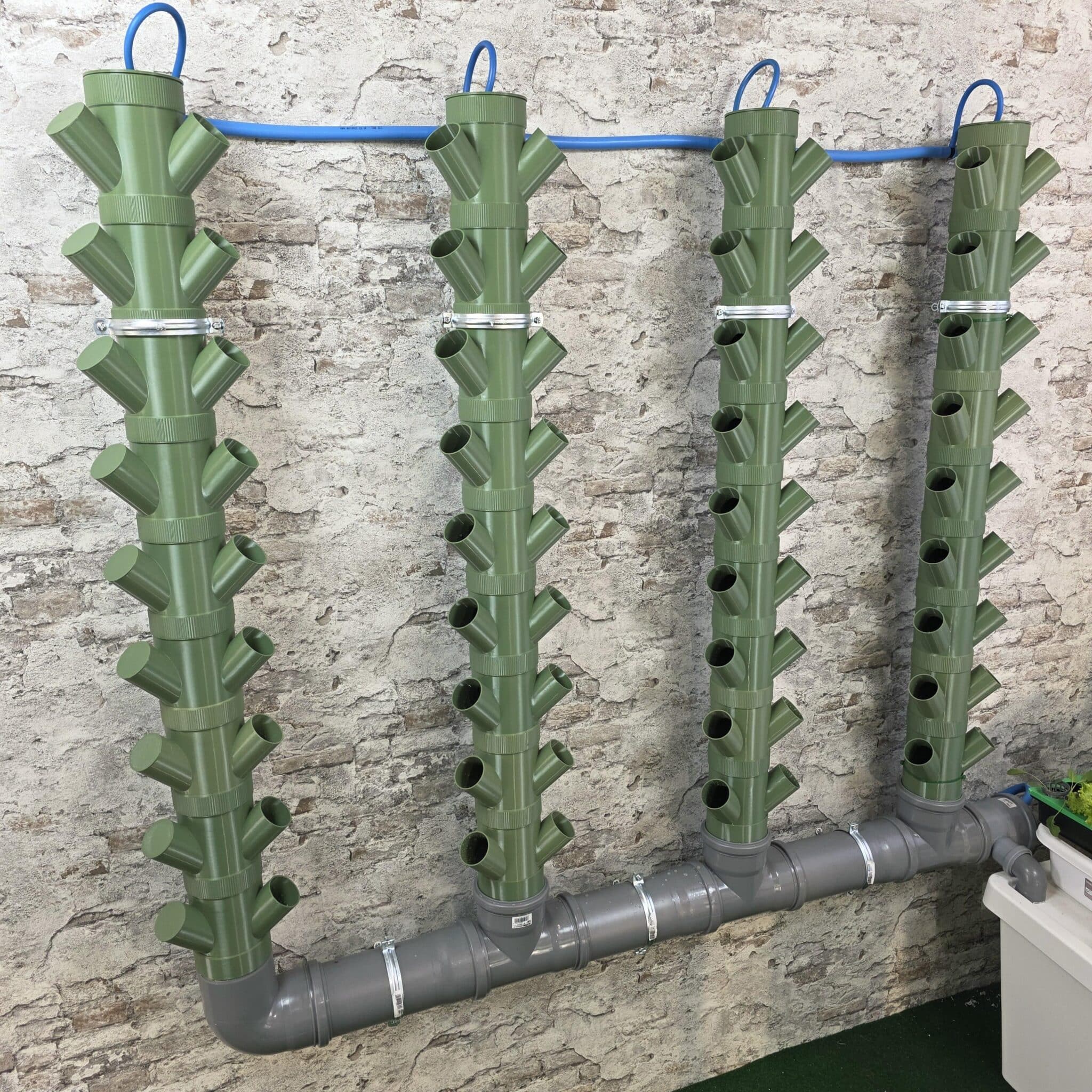
Self-built hydro tower with parsley at the window
Build your own hydro tower ›
Complete building instructions for your own 1.30 m plant tower, with materials list, video and step-by-step guide.
Hydro tower on the wall: hydroponics guide by Frankies Garten
Hydro tower on the wall ›
How to mount your plant tower securely on the wall, with tips on choosing the wall.

Basics: the most important foundations for your success

Three values decide whether your plants can take up all nutrients: EC, pH and water temperature. Add to that the right light and the right fertiliser. In these guides I explain each topic separately.

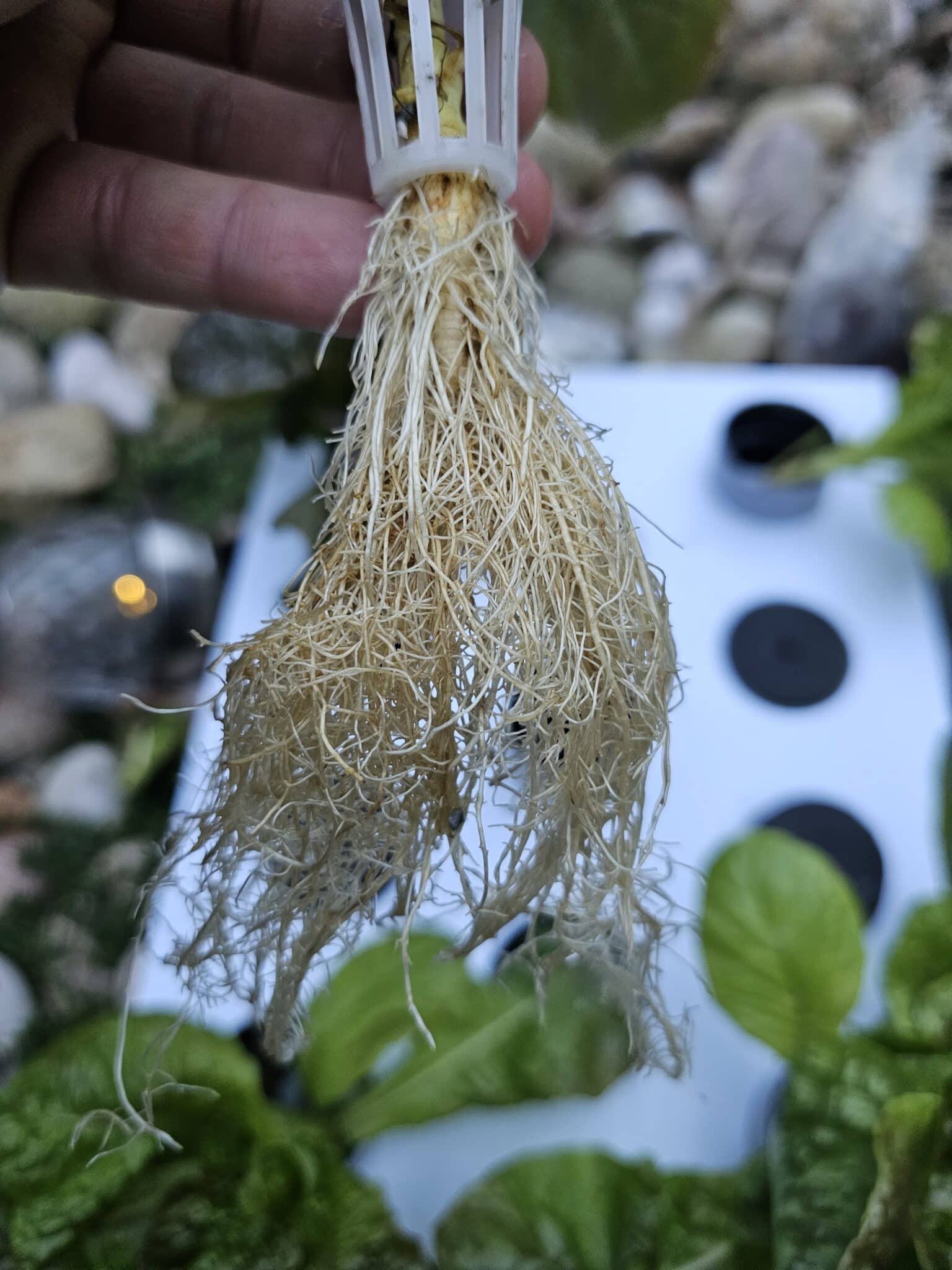
Hydroponics for beginners: hydroponics guide by Frankies Garten
Hydroponics for beginners ›
Everything you need to know to get started: from the first seedling to harvest.
pH value: hydroponics guide by Frankies Garten
pH value ›
What it means, how to measure and adjust it. With values for all plants.
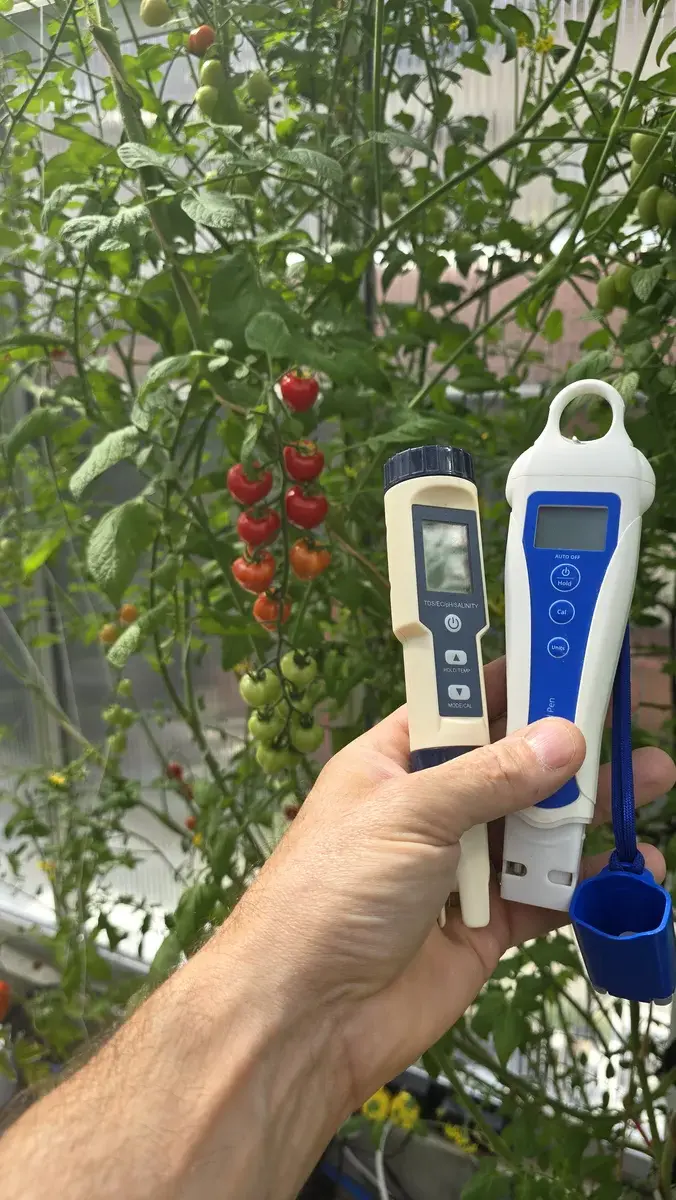
EC meter and pH meter for hydroponics
EC value ›
The EC shows how much fertiliser is in the water. This is how to set it correctly.
Seedlings in the seedling station with nutrient solution
pH and EC together ›
How pH and EC are connected and why both matter for healthy plants.
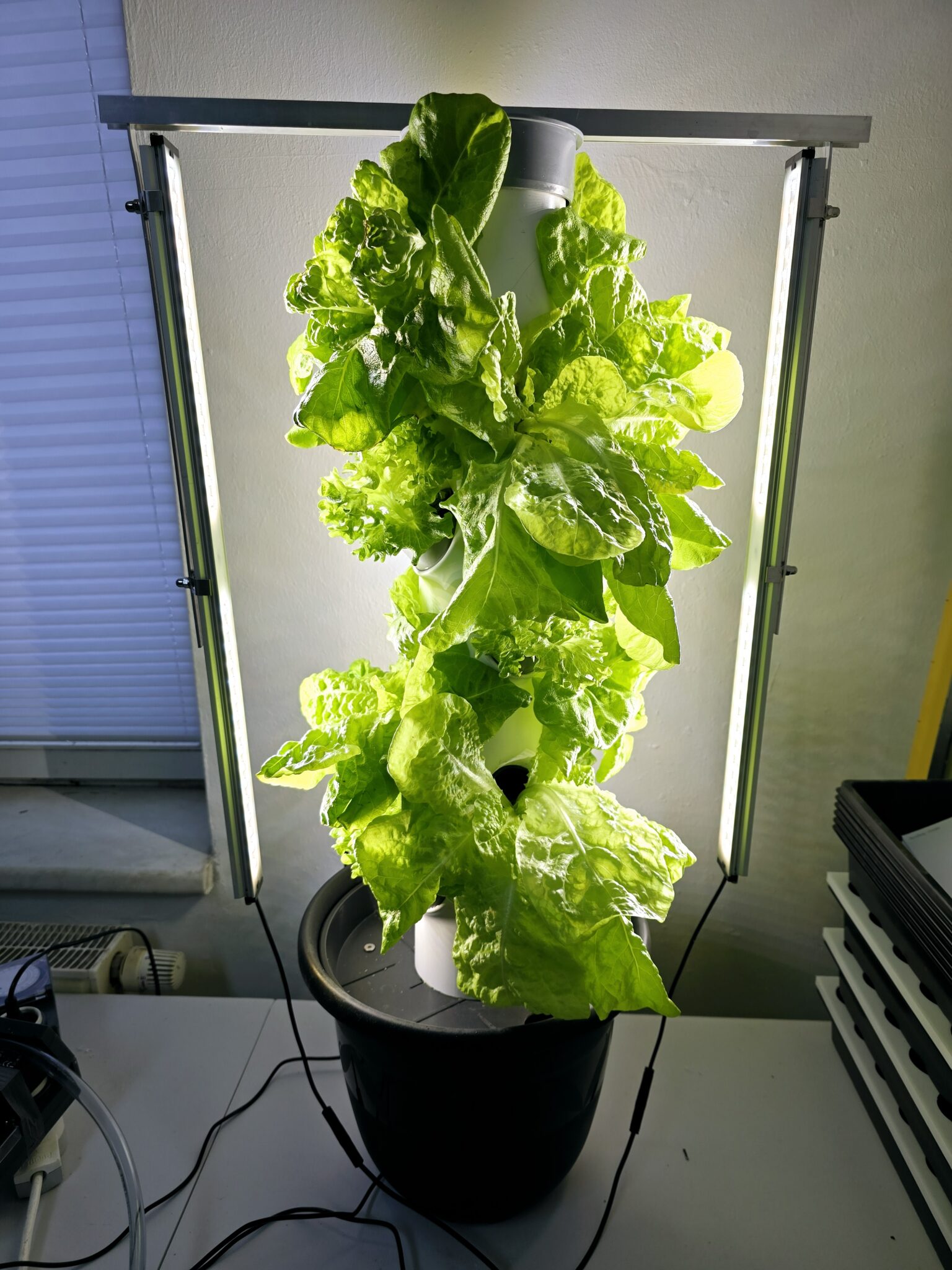
HydroFlex Tower with lettuce under an LED grow light indoors
Lighting ›
PPFD, light colours, photosynthesis and which lamps suit the tower.
Nutrients and fertiliser: hydroponics guide by Frankies Garten
Nutrients and fertiliser ›
Which nutrients plants need and how to mix the nutrient solution for each phase.
Germination temperatures and times: hydroponics guide by Frankies Garten
Germination temperatures and times ›
Light or dark germinator, germination temperature and time for a good start.
Calibrating a pH meter: hydroponics guide by Frankies Garten
Calibrating a pH meter ›
With buffer solution pH 7.0 and pH 4.0 so your device measures correctly.

Vegetables, herbs and fruit without soil

There is a separate guide for almost every plant, with seed starting, values and my experiences. You will find fruit such as strawberries and melons in my overview of plants, which lists all the values from my book.

Vegetable growing: hydroponics guide by Frankies Garten
Vegetable growing ›
All vegetable guides from tomatoes to lettuce to peppers at a glance.
Plants for hydroponics: hydroponics guide by Frankies Garten
Plants for hydroponics ›
What grows in the tower, including fruit such as strawberries and melons, with all the values from my book.
Lettuce: hydroponics guide by Frankies Garten
Lettuce ›
The easiest start: germinate, transplant, harvest.
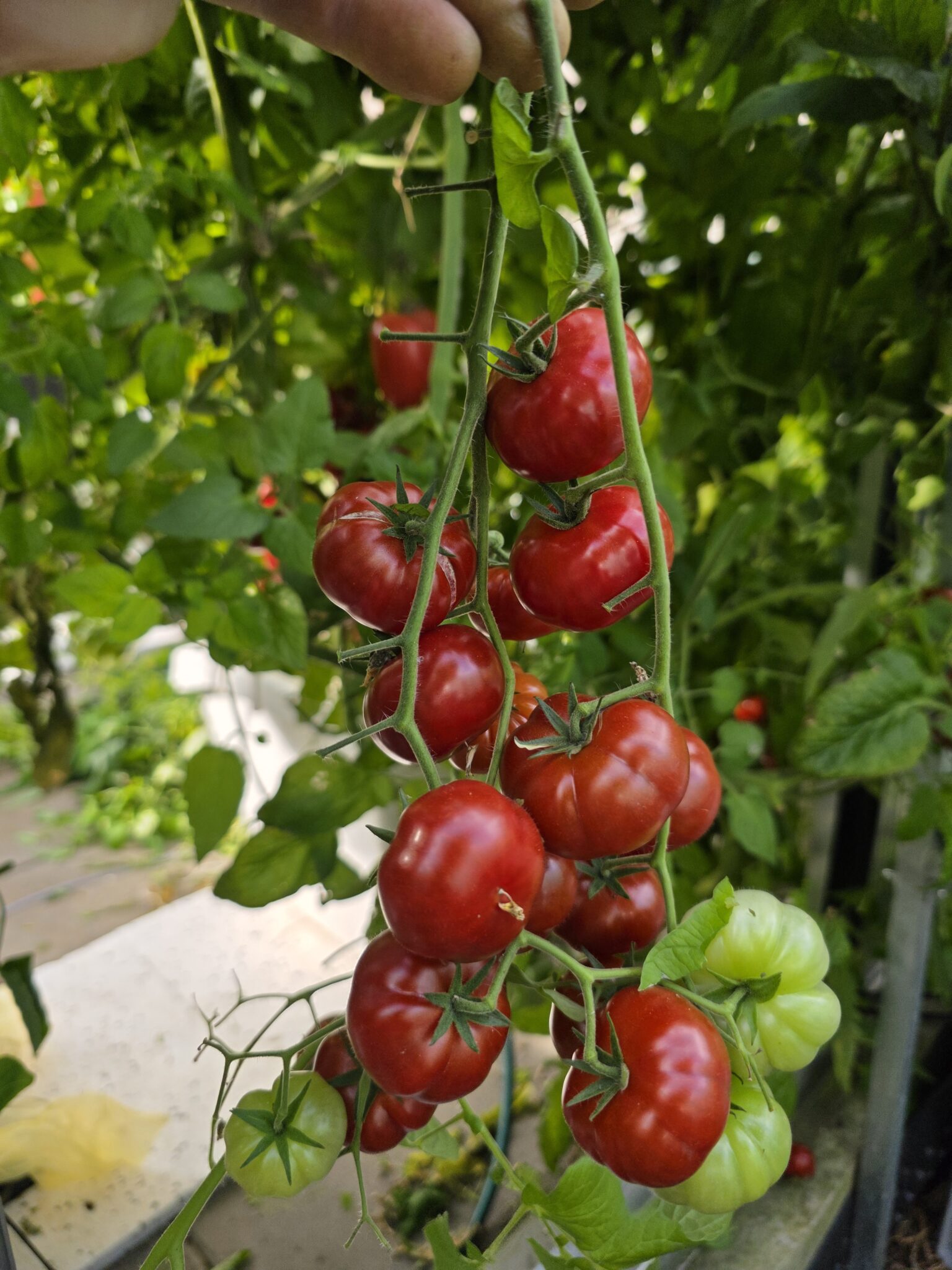
Tomatoes: hydroponics guide by Frankies Garten
Tomatoes ›
From sowing in March to harvest in October.
Peppers: hydroponics guide by Frankies Garten
Peppers ›
Also grows really well in the narrow, vertical tower.
Basil: hydroponics guide by Frankies Garten
Basil ›
Light germinator, loves warmth and becomes bushy with the right cut.
Parsley: hydroponics guide by Frankies Garten
Parsley ›
Patience while germinating, then harvests for months.
Pak choi: hydroponics guide by Frankies Garten
Pak choi ›
Fast, crunchy and with a low light requirement.

Your roadmap: how to start the right way

Many beginners put the seeds straight into the tower. I did that at the start too, and many did not germinate. Today everything runs in three stages for me: seeds germinate in the propagation box, young plants keep growing in the propagation station, and big plants go into the tower. This is how it works step by step:

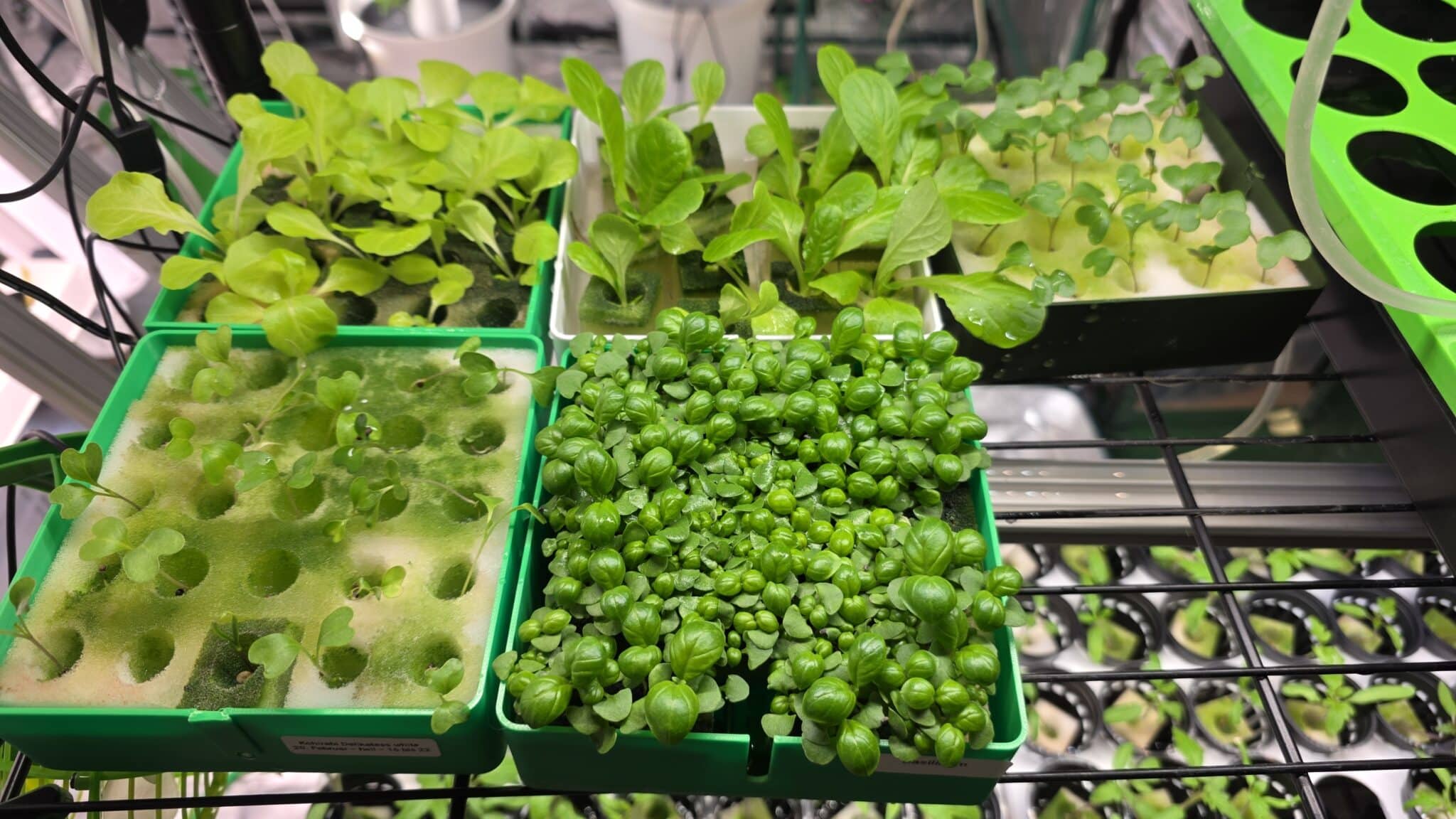
1Sowing in the propagation box

Foam cubes · water only · read the seed packet

The seed packet tells you whether your plant is a light or dark germinator and which germination temperature it likes. Press light germinators in lightly; cover dark germinators. You do not need special seeds; perfectly normal vegetable seed works. More on this under germination temperatures.

2Seedlings into the light immediately

14 to 16 hours · timer · then night

As soon as the seedlings are up, they need light. If they get too little, they become leggy: long, thin stems that bend over easily. At the window the light is often not enough in autumn and winter, which is why I start seedlings under a grow light. Mine runs 14 to 16 hours a day, then it is night.

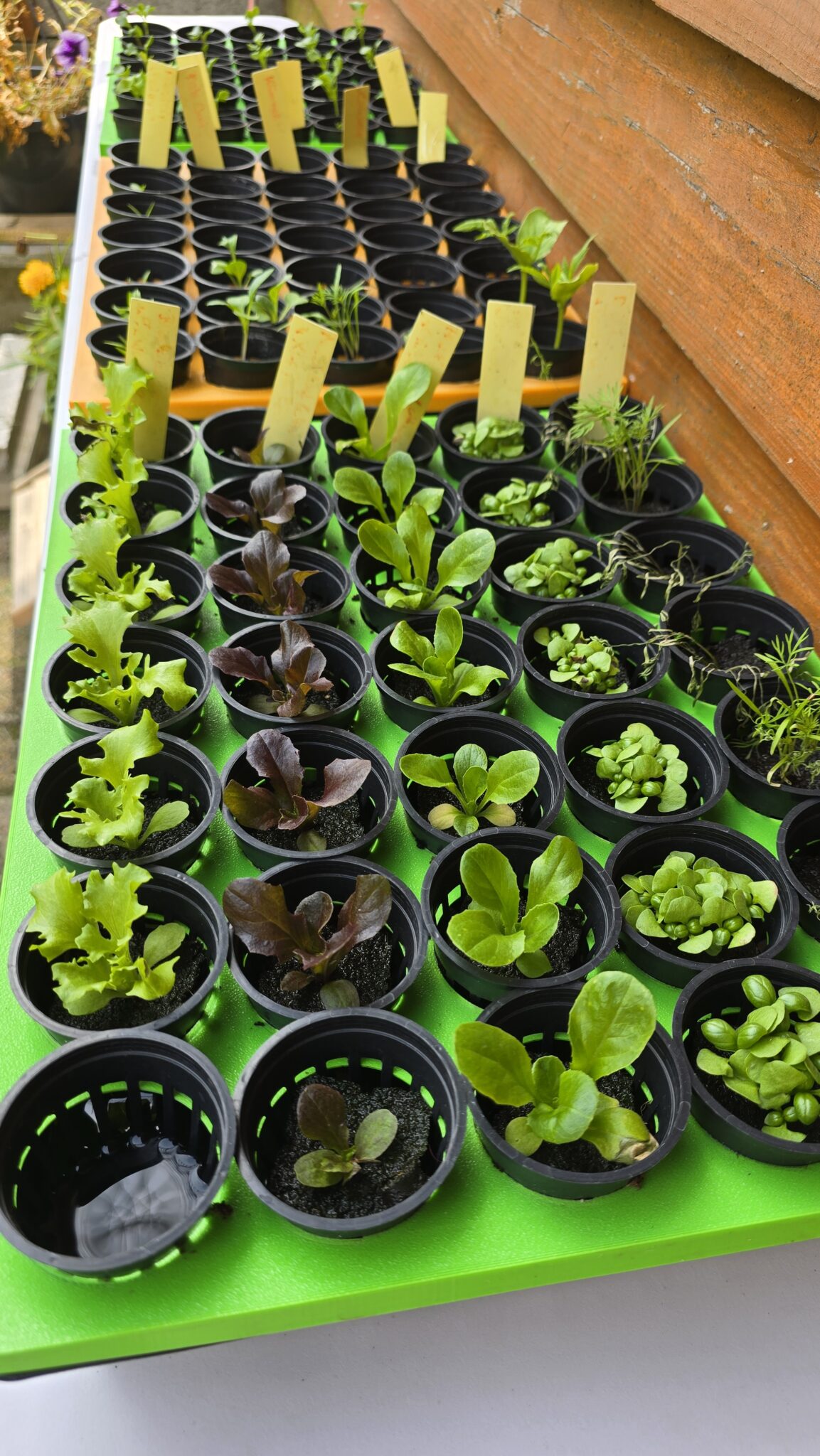
3Young plants in the propagation station

Air pump runs day and night

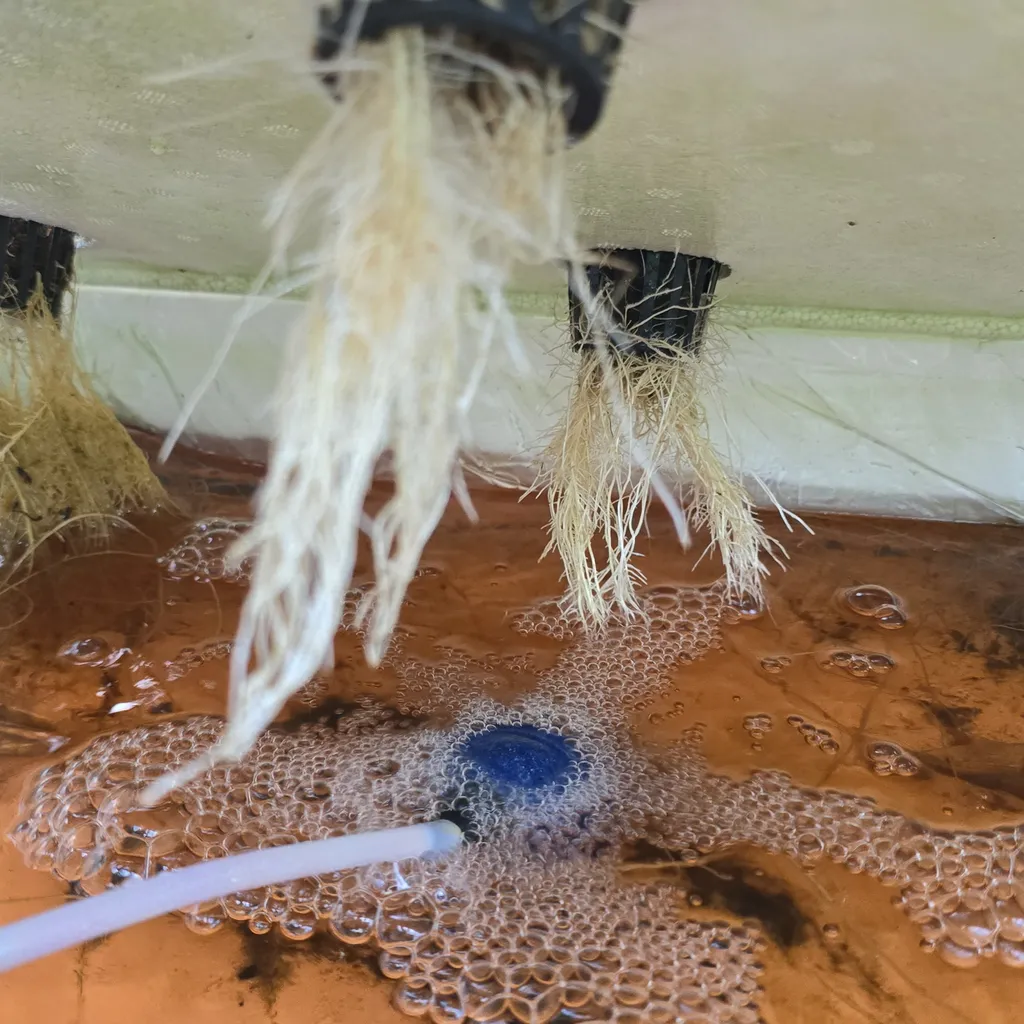
In the propagation station the roots hang in standing water. That is why the air stone runs there continuously, at night too, because roots breathe around the clock. So the air stone does not go on the timer but straight into the socket.

4Move to the tower

Pump 5 minutes on, 30 minutes off

Indoors my pump runs for 5 minutes and then pauses for 30 minutes. That is enough; the roots stay moist. The often-quoted 15 on and 15 off is too long for me indoors; strawberries, for example, then stay too wet. Outdoors in great heat I set it to 15 on and 15 off. If the leaves droop, the break is too long.

5Care: EC, pH and water

measure every 2 to 3 days · EC first, then pH

If you have no continuous monitor in the tank, measure every 2 to 3 days, always EC first, then pH. In a running tower I top up what the plants have drunk, straight away with ready-mixed nutrient solution. If the EC is then too low, I add a little fertiliser; if it is too high, plain water goes in. I only change the water completely when the EC rises for no reason or a deficiency appears.

6Harvest and sow again

365 days a year

I grow all year round. That works because there are always plants at every stage: when I harvest a lettuce from the tower, the biggest plant from the station moves up, a cube from the box moves into the station, and I sow again in the box. If you sow everything at once, everything is ripe at once, and then nothing comes for a long time.
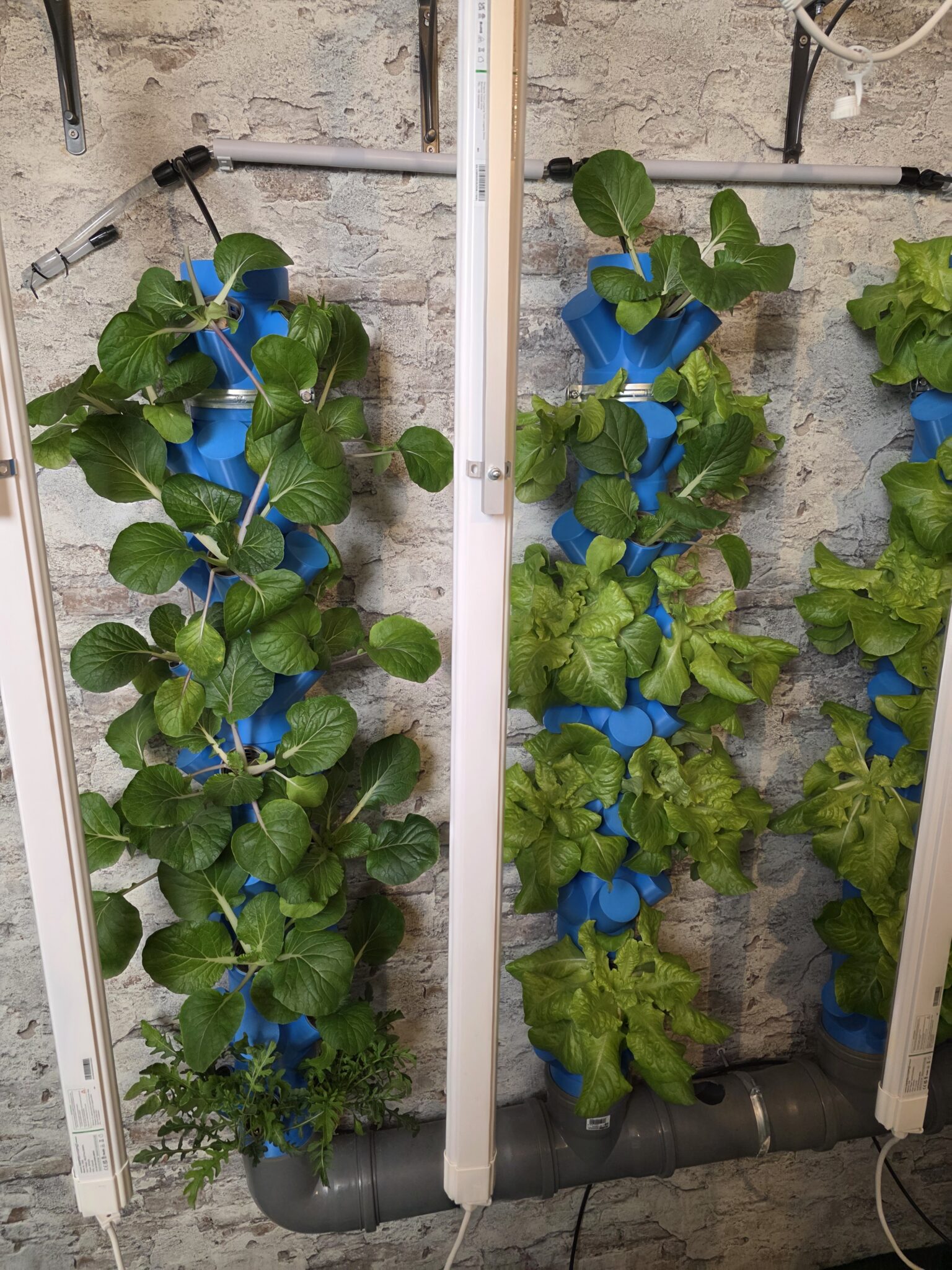
Lettuces growing in the hydro tower
Lettuce in my tower: with regular sowing you harvest all year round.
From my shop
Everything for your soil-free start

HydroFlex Tower for indoors and outdoors, seedling box, seedling station, support rings and my own nutrient. After you buy, I’ll help you on WhatsApp.

To the shop ›

The most important values at a glance

I use these values myself and have compiled them for all plants in my book. The exact values for your plant are in the respective guide.

WhatMy valueGood to know
pH value5.8Range 5.5 to 6.5. Below 5.5 calcium, magnesium and molybdenum become scarce; above 6.5 mainly phosphorus, iron and trace elements.
EC valuein 4 stagesTake the plant’s highest EC: seedlings a quarter, young plants half, growth three quarters, harvest the full value.
EC for lettuceup to 1.6With my very soft water, 1.1 to 1.2 is enough for me.
Water temperature18 to 22 °Cup to 24 °C still fine; from 25 °C oxygen runs short
Pump indoors5 on, 30 offoutdoors in great heat 15 on, 15 off
Light14 to 16 hoursLight at the side of the tower, 20 to 30 cm from the plants
Water hardnesssoft: EC below 0.3medium 0.3 to 0.5, hard above 0.5 mS/cm, measured before adding fertiliser
My rule of thumb
EC, pH and water temperature belong together. If a plant has problems, always check all three. If one of the values is off, the plant can’t take up all nutrients.

Why your water matters

My water in Falkenstein is very soft at about 4 °dH, and the EC is only 0.25. This is what I like working with best, because I build the nutrient solution myself and know what is in it. Hard water brings a lot of calcium and magnesium. That already counts towards the EC before you add fertiliser and pushes the pH up. With hard water you therefore need pH Down more often. How to set your nutrient solution correctly is explained under EC value and pH value.

Light at the tower

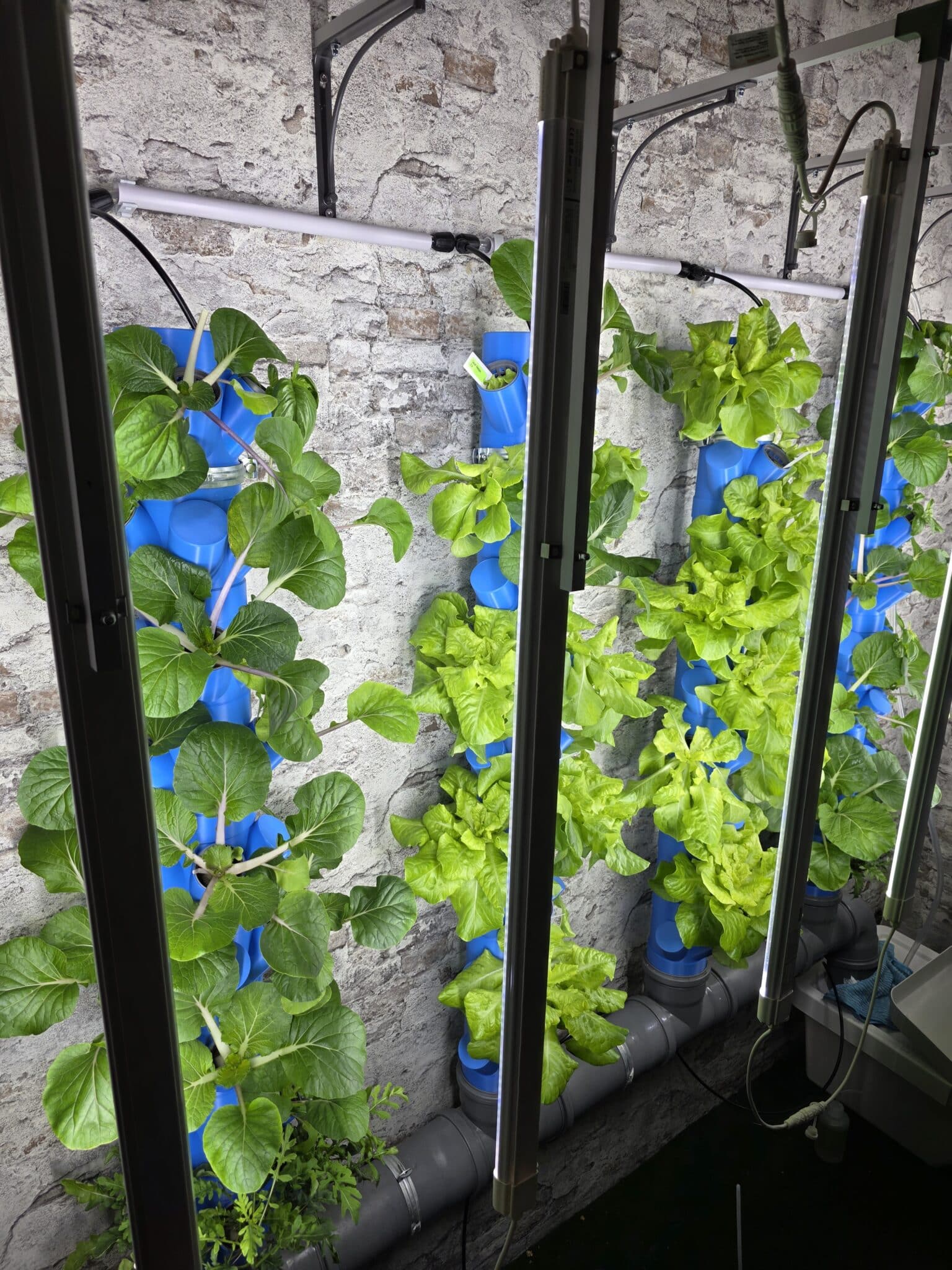
A tower grows upwards. A lamp from above hardly reaches the lower plants. That is why my lamps hang at the side of the tower, about 20 to 30 cm from the plants. More on this on my page about lighting.

Roots, algae and mishaps

Look into the tower now and then. Healthy roots are white or pale and strong. If they turn brown, slimy and smell foul, that is root rot. Usually warm or standing water without enough oxygen is behind it; an air stone prevents it. I have had no algae even above 30 °C, because they need light and my container is closed. More on this under Avoiding algae.

What I recommend for getting started

To start with, a simple combined meter is enough for measuring. What matters is that you calibrate it regularly, at least once a month. My guide for this: calibrating a pH meter.

My recommendation for getting started
5-in-1 meter for pH, EC, TDS and temperature

Affordable, easy to use and perfectly adequate for beginners.

View on Amazon* ›

* Affiliate link: I earn a commission if you buy. Your price stays the same.

Angebot

* Affiliate-Link: Bei einem Kauf erhalte ich eine Provision, dein Preis bleibt gleich. Preis inkl. MwSt., zzgl. Versand, Stand 8.11.2026. Bilder: Amazon Creators API

Angebot
AquaForte - Hi-Flow V-30 Luftpumpe Alu 25W, 7 l/min bei 2m, Nicht regelbar | Leise und Leistungsstark, maximaler Teichinhalt 18 m3
Powerful air pump for propagation station and container. It runs continuously, not on the timer.

* Affiliate-Link: Bei einem Kauf erhalte ich eine Provision, dein Preis bleibt gleich. Preis inkl. MwSt., zzgl. Versand, Stand 8.11.2026. Bilder: Amazon Creators API

* Affiliate-Link: Bei einem Kauf erhalte ich eine Provision, dein Preis bleibt gleich. Preis inkl. MwSt., zzgl. Versand, Stand 8.11.2026. Bilder: Amazon Creators API

The Amazon products on this page are affiliate links*. I earn a commission if you buy, your price stays the same.

Advanced topics: deepen your knowledge

Once your tower is running, new questions come up: other systems, the climate in the room or uninvited guests on the plants. Here you will find the answers.
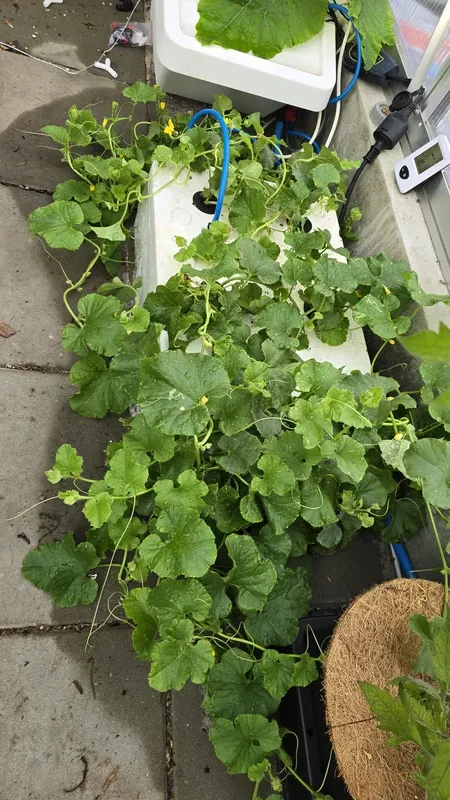
Kratky method: hydroponics guide by Frankies Garten
Kratky method ›
Hydroponics without any pump or electricity, simple for getting started.
NFT system: hydroponics guide by Frankies Garten
NFT system ›
How the nutrient film technique works and how it differs from the tower.
Humidity: hydroponics guide by Frankies Garten
Humidity ›
Humidity and air movement for healthy plants indoors.
Algae: hydroponics guide by Frankies Garten
Avoiding algae ›
Why they come and how to get rid of them.
Pests and diseases: hydroponics guide by Frankies Garten
Pests and diseases ›
Aphids, spider mites, powdery mildew: recognise and act.
Young plants in net pots for the hydro tower
Net pot ›
The pot for the tower and how to fill it correctly.
Growing media: hydroponics guide by Frankies Garten
Growing media ›
Cubes, pots, support rings and more.

Calculators and tools

Nutrient calculator
Free tool
Nutrient calculator

Calculate the right amount of nutrient for your system, simply and precisely. With a comparison table for three-part and powder nutrients.

To the calculator ›

Frequently asked questions about my hydroponics guides

What is hydroponics?
In hydroponics plants grow without soil. The roots take water and the nutrients dissolved in it directly from a nutrient solution. You do not need a garden; a windowsill, a balcony or a greenhouse is enough.
How does the cycle in a hydro tower work?
There is a pump in the container that pushes the nutrient solution up into the tower. At the top the water spreads out, trickles past the roots and runs back into the container through the openings of the segments. That creates a closed loop that saves water, fertiliser and time.
Which guide should I read first as a beginner?
Ideally my guide Hydroponics for beginners. It takes you from the first seedling to harvest. After that the pages on the pH value and EC value are worthwhile.
Can I put the seeds straight into the tower?
I advise against it. In the tower the cube sits deep in the net pot; light germinators get too little light there and the right germination temperature is missing. That is why I start everything in the propagation box and only put strong young plants into the tower.
In which three stages do I raise my plants?
Seeds germinate in the propagation box, young plants keep growing in the propagation station, and big plants go into the tower. Because there are always plants at every stage, I can harvest all year round.
Which pH value is right in hydroponics?
My target value is 5.8 for almost all plants; the good range is 5.5 to 6.5. At 5.8 the plant can reach all nutrients well. Below 5.5 calcium, magnesium and molybdenum become scarce; above 6.5 mainly phosphorus, iron and trace elements.
How do I divide the EC value into four stages?
I take the plant’s highest EC from my table. For starting seedlings it gets a quarter of that, for young plants half, during growth three quarters and at harvest the full value.
What EC does fully grown lettuce need?
EC 1.6 is the maximum. With my very soft water I also have great success at 1.1 to 1.2. Only increase the concentration when the leaves turn pale.
What do I measure first, EC or pH?
Always EC first, then pH. The nutrient changes the pH, so you only adjust it once the amount of nutrient is right.
How often do I measure EC and pH?
Without a continuous monitor in the tank every 2 to 3 days. I have a meter in the tank and can check it at any time.
How long does the pump run indoors?
For me 5 minutes on and 30 minutes off. That’s enough, the roots stay moist. The often quoted 15 on and 15 off is too long for me indoors, strawberries stay too wet.
Which pump timing do I set outdoors in great heat?
In great heat 15 minutes on and 15 minutes off. When it gets cooler again, I go back to 5 on and 30 off. If the lettuce leaves droop, water is missing.
Does the air pump go on the timer?
No. The pump goes on the timer, the air stone straight into the socket. That way it runs continuously, because roots breathe day and night.
When does an air stone need to run?
In the propagation station continuously, day and night, because the roots hang in standing water. In the HydroFlex Tower indoors it can run but does not have to. Outdoors it is a must from a water temperature of 25 °C.
Which water temperature is ideal?
18 to 22 °C; up to 24 °C is still fine. Below 18 °C the roots work more slowly. From 25 °C the water holds less oxygen, and root rot can develop faster.
How long do I leave the grow light on?
14 to 16 hours a day, most easily with a timer. Then it is night, because many plants do not tolerate constant light well.
Where do I hang the lamp on the tower?
At the side of the tower, about 20 to 30 cm from the plants. A lamp from above hardly reaches the lower plants of a tower.
What does leggy growth mean?
If seedlings get too little light, they form long, thin stems with large gaps between the leaves. Such stems bend over easily and never get shorter again. That is why seedlings must go into the light immediately.
Do I have to change the water in the tower every week?
No. In a running tower I top up what the plants have drunk, straight away with ready-mixed nutrient solution. I only change it completely when the EC rises for no reason or a deficiency appears.
Why does the EC rise when the water level drops?
Plants take up more water than fertiliser. When the water level drops, the fertiliser stays in the tank and the EC rises. If it is too high after topping up, I add plain water.
When is water considered soft or hard?
Soft water has below 8.4 °dH and an EC below 0.3, medium 8.4 to 14 °dH and an EC of 0.3 to 0.5, hard above 14 °dH and an EC above 0.5. My water in Falkenstein has about 4 °dH and an EC of 0.25.
How often do I calibrate my pH meter?
At least once a month, more often with heavy use. For this you need buffer solution pH 7.0 and pH 4.0. You check an EC meter with a test solution of 1.413 mS/cm.
How do I recognise healthy roots?
Healthy roots are white or light and strong. Brown, slimy and rotten-smelling roots indicate root rot. An air pump in the tank prevents it.
How do you harvest fresh lettuce all year round?
Sow a few seeds regularly instead of everything at once. When I harvest a lettuce, the biggest plant from the station moves up, a cube from the box moves into the station, and I sow again in the box.
Where do I find guides for fruit such as strawberries or melons?
In my overview of plants for hydroponics. It lists germination type, germination temperature, pH, EC and light for all plants from my book, including strawberry and melon.
Which tower suits me?
That depends on space, location and the harvest you want. For lettuce and herbs a narrow tower about 10 cm in diameter is enough; tomatoes and cucumbers need a wide tower. My free tower advisor gives you a recommendation.

I show new videos and tips on Instagram, TikTok and Facebook.

Continue with your own growing
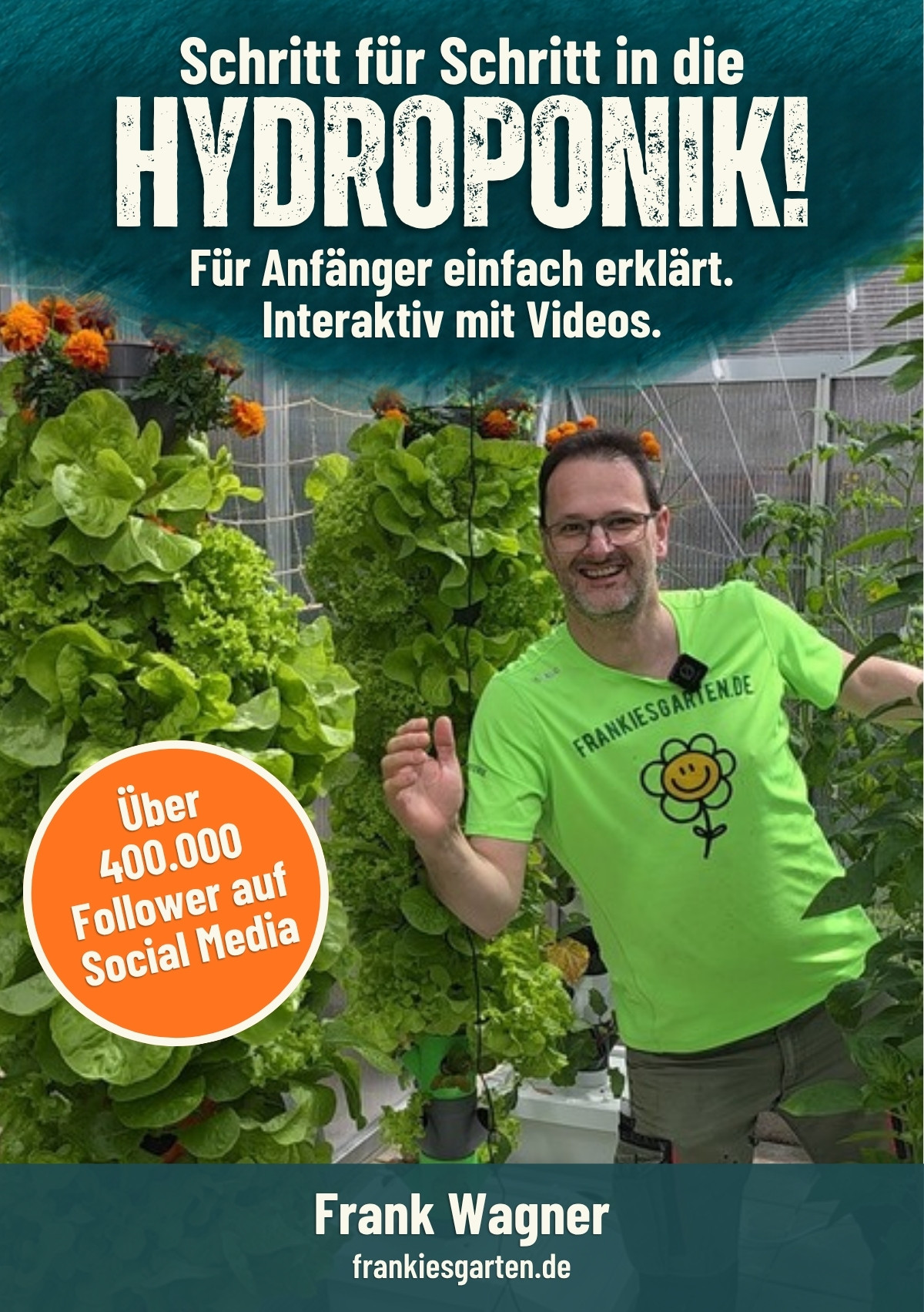
Step by step into hydroponics
My book
Step by step into hydroponics

168 pages, simply explained for beginners and with videos on the topics (in German). Exactly how I grow myself: from sowing to harvest.

More about the book ›
Free
Which tower suits you?

A few questions about space, location and what you want to harvest, and you get a recommendation.

To the tower advisor ›

Questions about your setup? Message me on WhatsApp.

Tapping opens WhatsApp (provider: WhatsApp Ireland Ltd.). More in the privacy policy.

Datenschutz-Übersicht

Diese Website verwendet Cookies, damit wir dir die bestmögliche Benutzererfahrung bieten können. Cookie-Informationen werden in deinem Browser gespeichert und führen Funktionen aus, wie das Wiedererkennen von dir, wenn du auf unsere Website zurückkehrst, und hilft unserem Team zu verstehen, welche Abschnitte der Website für dich am interessantesten und nützlichsten sind.